

TL;DR:
- Accurate, USPAP-compliant appraisals are essential for legal, tax, and financial decisions in New Jersey.
- The appropriate appraisal method varies by situation, with sales comparison, cost, and income approaches used.
- Working with licensed, specialized appraisers ensures credible reports that withstand legal and IRS scrutiny.
Getting a property value wrong in New Jersey can cost you far more than you expect. Whether you're dividing assets in a divorce, settling an estate, or fighting an unfair tax bill, an inaccurate number can trigger legal disputes, IRS scrutiny, or a settlement that leaves one party shortchanged. This article breaks down the most important, NJ-specific reasons why a professional appraisal matters, which situations demand one, and how to make sure the valuation you get will actually hold up when it counts.
Table of Contents
- Why appraisals matter: High-stakes decisions require accuracy
- Appraisals in divorce cases: Ensuring fair property division
- Appraisals for estate planning and inheritance in New Jersey
- Appraisals for property tax appeals and assessments
- Appraisal methods: Picking the right approach for your situation
- What most people get wrong about real estate appraisals in NJ
- Get certified help for your NJ appraisal needs
- Frequently asked questions
Key Takeaways
| Point | Details |
|---|---|
| Legal credibility matters | In New Jersey, only USPAP-compliant licensed appraisals are accepted for divorce, estate, and tax appeal cases. |
| Customize your approach | Choosing the right appraisal method increases case success and fairness in legal and financial contexts. |
| Timing is critical | For property tax appeals and estate valuations, presenting the right value at the proper time can significantly impact outcomes. |
| Expertise prevents costly errors | Working with a specialist familiar with NJ laws reduces legal risks and maximizes your financial position. |
Why appraisals matter: High-stakes decisions require accuracy
A real estate appraisal is an independent, professional opinion of a property's market value. Unlike a real estate agent's estimate or an online tool, a formal appraisal is backed by documented evidence, site inspection, and a structured methodology. That distinction matters enormously when courts, the IRS, or tax boards are involved.
In New Jersey, appraisers must be state-licensed and their reports must meet USPAP standards, which stands for the Uniform Standards of Professional Appraisal Practice. These are the national benchmarks that govern how appraisals are conducted, reported, and reviewed. The NJ Division of Taxation publishes annual cost conversion factors that appraisers and assessors use to align valuations with current market conditions. Without that compliance, your appraisal may be rejected outright.
An appraisal is only as useful as its credibility. A report that cannot survive scrutiny from a judge, tax board, or IRS reviewer is not just unhelpful — it can actively harm your case.
The financial and legal risks of an inaccurate appraisal are real. An inflated value in a divorce could mean one spouse walks away with less than they're owed. An undervalued estate property could trigger IRS penalties. A weak tax appeal appraisal gets dismissed, and you keep paying more than you should.
Here are the key situations where you should obtain a professional appraisal in New Jersey:
- Divorce and equitable distribution of marital assets
- Estate settlement, probate, and inheritance planning
- Property tax appeals and assessment challenges
- Pre-sale or pre-purchase decisions
- Refinancing or securing a government-backed mortgage
- Litigation involving property value disputes
Now that the importance is clear, let's break down the main situations where real estate appraisals are essential in New Jersey.
Appraisals in divorce cases: Ensuring fair property division
Divorce is one of the most emotionally charged situations a homeowner can face. It's also one where property value directly determines who gets what. New Jersey courts require credible, well-supported valuations when dividing marital assets, and a number that can't be defended will not hold up.
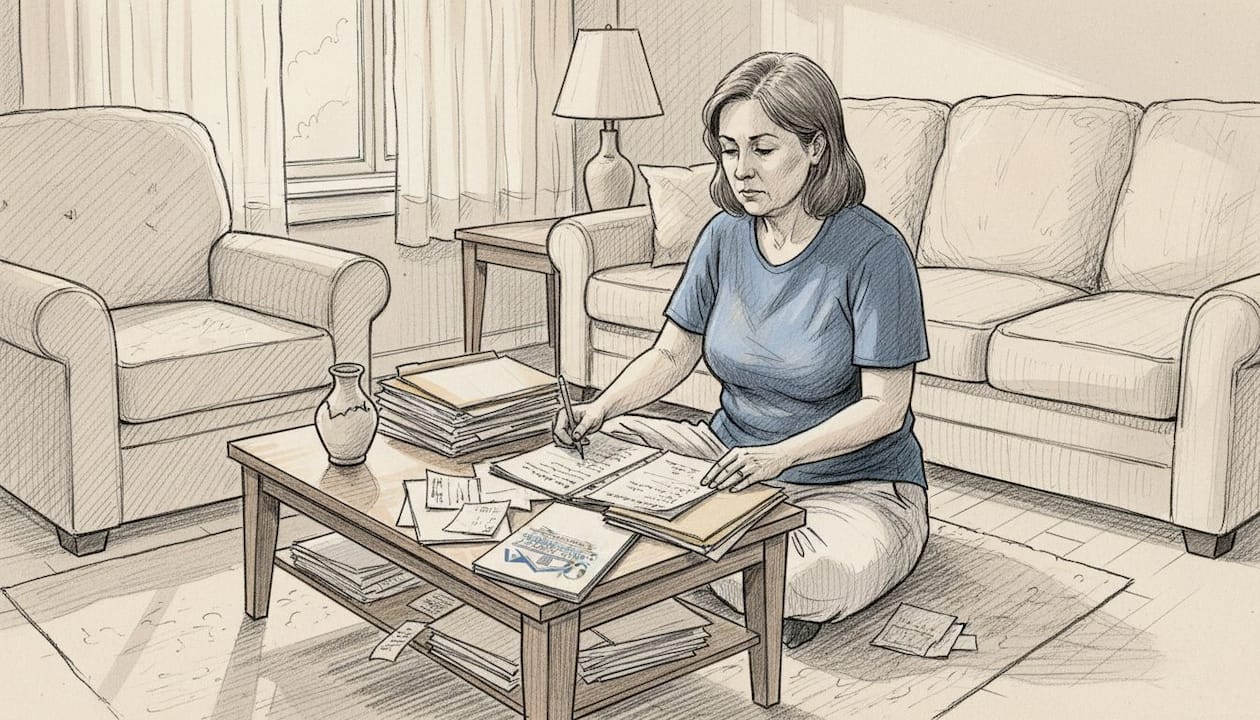
For most residential properties, the sales comparison approach is used, comparing your home to recently sold properties nearby. But not every home fits neatly into that model. High-value or unique properties often lack enough comparable sales, which means appraisers may need to apply the cost or income approach instead. In high-conflict divorces, both spouses may hire separate appraisers, or a court may appoint a neutral one to resolve the disagreement. As noted in guidance on dividing real estate in high-net-worth divorces, disputes over unique properties often require dual or court-appointed appraisals to reach a resolution both parties and the court will accept.
Here are the key steps in the divorce appraisal process:
- Retain a licensed NJ appraiser with divorce case experience
- Confirm the effective date of value (usually the date of separation or filing)
- Provide access to the property for a full interior inspection
- Review the draft report with your attorney before it's submitted
- Address any factual errors or missing data before the report is finalized
For fair property division appraisals, the goal is a report that both sides and the court can trust. That means no shortcuts, no assumptions, and no conflicts of interest.
Pro Tip: Share relevant property details with your appraiser upfront, including any recent renovations, permits, or unique features. This reduces back-and-forth and helps produce a more accurate, defensible report the first time.
Appraisals for estate planning and inheritance in New Jersey
Besides divorce, estates present another scenario where accurate appraisals make or break the process. When someone passes away, their real estate must be valued for probate, IRS reporting, and fair distribution among heirs. Getting that number right protects everyone involved.
A date-of-death valuation establishes the property's fair market value as of the date the owner died. This figure is used to calculate estate taxes, report assets to the IRS, and determine each heir's share. According to guidance on estate settlement valuations, date-of-death valuations are essential for accurate estate settlement and cannot be estimated or approximated. An incorrect value can lead to IRS audits, penalties, or disputes among heirs that drag on for years.
For properties that are unusual, historic, or income-producing, standard comparable sales may not tell the full story. In those cases, appraisers may apply the appraisal methodology best suited to the property type, whether that's the cost approach or the income approach.
Here are the steps for an estate appraisal in New Jersey:
- Identify the effective date of value (typically the date of death)
- Gather property records, tax bills, and any prior appraisals
- Hire a licensed NJ appraiser with documented estate case experience
- Schedule a full interior inspection of the property
- Review the completed report with the estate attorney before filing
- Retain the report for IRS and probate documentation
You can also review the types of estate appraisals to understand which format best fits your situation before you hire anyone.
Pro Tip: Always confirm that your appraiser has handled estate assignments before. Retrospective valuations, which go back to a specific past date, require a different skill set than standard current-market appraisals.
Appraisals for property tax appeals and assessments
A third pivotal reason for appraisals in New Jersey centers around property tax assessments, where the right valuation can result in real savings. If your assessed value is higher than your property's actual market value, you're overpaying every year. A professional appraisal gives you the evidence to challenge that.
In New Jersey, property tax appeals must be based on the property's value as of October 1 of the prior year. That specific date matters. An appraisal that doesn't reflect that date will not be accepted by the tax board. The NJ Division of Taxation publishes annual cost factors that assessors use to adjust property values, and your appraiser needs to account for those same benchmarks to produce a credible counter-valuation.
| Feature | Standard appraisal | Tax appeal appraisal |
|---|---|---|
| Effective date | Current market date | October 1 of prior year |
| Primary use | Sale, refinance, divorce, estate | Challenge tax assessment |
| USPAP required | Yes | Yes |
| Comparable sales focus | Recent local sales | Sales bracketing the appeal date |
| Submitted to | Lender, court, or attorney | County tax board or state tribunal |
For a successful appeal, follow these steps: order a USPAP-compliant appraisal from a licensed NJ appraiser, confirm the October 1 valuation date, file your appeal before the county deadline (usually April 1), and present the appraisal as your primary supporting document. You can learn more about the NJ appraisal process for tax appeals and review property valuation methods for legal success to strengthen your case before filing.
Appraisal methods: Picking the right approach for your situation
With the main scenarios outlined, it's crucial to understand which appraisal method fits each situation, because using the wrong one can undermine an otherwise solid case. There are three primary appraisal methodologies recognized in the industry: the Sales Comparison Approach, the Cost Approach, and the Income Approach.
Sales Comparison Approach: Compares your property to similar homes that have recently sold nearby. This is the standard method for residential properties and is most commonly used in divorce cases.
Cost Approach: Estimates the cost to rebuild the property from scratch, minus depreciation, plus land value. Best for new construction, unique properties, or homes with few comparable sales.
Income Approach: Values the property based on the income it generates or could generate. Used primarily for rental properties, multi-family buildings, and commercial real estate.
Here's a quick look at the pros and cons of each:
- Sales Comparison: Highly reliable for standard residential homes; less effective for unique or rural properties
- Cost Approach: Accurate for new or specialty properties; can be subjective when estimating depreciation
- Income Approach: Ideal for investment properties; requires solid rental data to be credible
| Situation | Best method |
|---|---|
| Divorce (residential home) | Sales Comparison |
| Estate (standard property) | Sales Comparison |
| Estate (unique or historic) | Cost Approach |
| Tax appeal | Sales Comparison |
| Rental or multi-family | Income Approach |
| Commercial real estate | Income Approach or Cost |
Choosing the right method from the start, with guidance from a specialist, is covered in this detailed breakdown of methodologies if you want to go deeper before your appraisal appointment.
What most people get wrong about real estate appraisals in NJ
Here's something worth saying plainly: many homeowners, and even some attorneys, treat appraisals as a formality. They assume any licensed appraiser will do, or that the method doesn't matter much as long as a number gets produced. That assumption is costly.
NJ courts and the IRS do not treat appraisals as casual opinions. They treat them as legal and financial facts that must be supported by documented evidence, proper methodology, and full USPAP compliance. A report that doesn't hold up under cross-examination or agency review can collapse your entire case.
The other mistake we see regularly is hiring a generalist when the situation demands a specialist. An appraiser who handles standard purchase transactions every day may not have the experience to value a historic property for estate purposes or produce a retroactive date-of-death report that survives IRS review. The fee difference between a generalist and a specialist is small. The outcome difference can be enormous. Invest in the right expertise for your specific situation, and you'll avoid the far greater cost of getting it wrong.
Get certified help for your NJ appraisal needs
Now that you understand the pitfalls and best practices, taking the right next step matters. Whether you're navigating a divorce, settling an estate, or preparing a tax appeal, working with a certified NJ specialist makes the difference between a report that holds up and one that doesn't.

At New Jersey Real Estate Appraisal Group, we've handled complex assignments across every county in the state for over 26 years. Our Atlantic County appraisal experts and statewide team are ready to help you get a credible, USPAP-compliant valuation for your specific situation. From divorce appraisal services to tax appeal appraisal support, we match the right method and the right appraiser to your case. Get a fast quote today and move forward with confidence.
Frequently asked questions
What documents are needed for a real estate appraisal in New Jersey?
You'll typically need your deed, recent tax bill, survey, and any past appraisals. Per NJ licensing and USPAP protocols, proper documentation supports a more accurate and compliant report.
When is a professional appraisal required by law in New Jersey?
A licensed appraisal is required for tax appeals, court disputes like divorce or estate cases, and most refinancing or government-backed mortgage transactions where USPAP compliance is mandatory.
How is the appraisal value determined for divorce or estate cases?
The value is set by comparing recent sales, estimating rebuild cost, or analyzing rental income potential. NJ courts often require a specific method based on property type, so the choice of approach matters.
Can you appeal your NJ property taxes with any appraisal?
No. Only a USPAP-compliant appraisal from a licensed NJ appraiser is accepted for tax appeals, and the valuation must reflect October 1 of the prior tax year.
Which appraisal method is best for my situation?
Sales comparison works best for most residential and divorce cases, cost approach suits new or unique properties, and the income approach is best for rentals or commercial real estate.
Recommended
- Key steps in the appraisal process for NJ homes 2026
- Master real estate valuation in NJ legal matters
- Maximize Your NJ Home Sale with a Pre-Listing Appraisal | NJREAG
- How to Prepare for a Home Appraisal in NJ | Expert Tips by NJREAG
- 7 Key Ways Real Estate Notary Services Help Your Deals - My Mobile Notary