

Whether a townhouse gets appraised like a condo or like a single-family home depends entirely on its legal form of ownership. Fee simple townhouses use single-family appraisal conventions and Form 1004; condominium ownership triggers condo conventions and Form 1073. Get that distinction wrong, and every comparable, adjustment, and measurement that follows is built on a bad foundation. Check your deed or the project's declaration of condominium before you order anything.
TL;DR:
- Confirm ownership type by reviewing the deed, condominium declaration, and plat map to ensure proper appraisal form selection and measurement conventions.
- Measure square footage according to ownership, using exterior dimensions for fee simple and interior wall surfaces for condominium units to avoid valuation discrepancies.
- Prioritize comparables from the same project, then nearby attached developments, before considering detached homes, as substitution can significantly impact appraised value.
- Recognize that HOA health, including occupancy rates and financial stability, greatly influences townhouse value, especially for conforming loan eligibility.
- Avoid common appraisal mistakes such as incorrect form use, unverified comparables, or missing HOA analysis, which can lead to disputes and require formal reconsideration.
Table of Contents
- What Determines a Townhouse Appraisal: Ownership Type Comes First
- How Do Appraisers Measure a Townhouse's Square Footage?
- Which Comparables Work Best for a Townhouse Appraisal?
- Does HOA Health Really Affect a Townhouse's Value?
- What Happens During a Townhouse Appraisal Inspection?
- What Are the Most Common Townhouse Appraisal Mistakes?
- NJREAG's Approach to Townhouse Appraisal Assignments
- Why the "Just Comp It Like a Condo" Shortcut Fails Homeowners
- Ready for a Certified Townhouse Appraisal? Here's How to Start
- Sources
What Determines a Townhouse Appraisal: Ownership Type Comes First
A townhouse is a building style. A condominium is a legal ownership structure. Those two facts get confused constantly, and appraisal professionals regularly flag this as a source of errors that lead to the wrong form and bad comparables. A row of attached homes that looks identical from the street can be fee simple in one development and condo-owned in the next.
Here's how to confirm which one you've got before an appraiser ever walks the property:
- Pull the deed. Fee simple ownership typically describes a specific lot and structure, similar to a detached home.
- Check for a declaration of condominium or master deed recorded with the county. If one exists, you likely own an interest in common elements, not just your unit.
- Look at the plat map at the county recorder or tax assessor's office. Fee simple townhouses usually show individual lot lines; condo townhouses often show the whole building as one lot.
- Ask whether you pay into a condominium association budget for structural elements (roof, exterior walls) versus an HOA that covers only shared amenities and grounds.
The form matters because it dictates the whole approach. Fee simple townhouses generally get appraised on Form 1004 (Uniform Residential Appraisal Report), the same form used for detached single-family homes. Condo-owned townhouses require Form 1073, which asks for project-level data: unit count, owner-occupancy percentage, HOA financials, and pending litigation. Bring both the deed and any HOA or condo association paperwork when you order a report. It saves the appraiser a records search and keeps your timeline on track.
How Do Appraisers Measure a Townhouse's Square Footage?
Measurement rules split the same way ownership does, and this is where a lot of disputes start. Fee-simple townhouses are typically measured using ANSI Z765 exterior-dimension conventions, the same standard used for detached homes. Condo units are measured from interior wall surfaces, since the exterior walls are common elements you don't technically own.
That single difference can shift reported square footage by a meaningful margin on an identical-looking unit, depending on wall thickness and shared-wall configuration.
Follow this general sequence to check the math on your own report:
- Confirm which convention applies (exterior for fee simple, interior for condo) based on the ownership check above.
- Measure or review measurements for finished, heated, above-grade living area only.
- Exclude basements and other below-grade finished space from GLA, even if fully finished; those get reported separately.
- Confirm garages and unfinished areas are excluded from GLA and listed under their own line items.
- Compare the reported square footage against a floor plan or scan, if one exists, from services like iGUIDE or CubiCasa.
Shared walls are the most common measurement mistake in attached housing. An appraiser measuring from the wrong reference point on a party wall can inflate or shrink GLA by dozens of square feet across a unit.
Pro Tip: Ask your appraiser which measurement convention they used and whether every comparable in the report was measured the same way. Mixing exterior-measured and interior-measured comps in one grid is a common, and often invisible, source of value distortion.
For homeowners who want a broader primer on how appraisers approach square footage and condition adjustments generally, see our real estate valuation tips for New Jersey homeowners.
Which Comparables Work Best for a Townhouse Appraisal?
Attached housing has a strict comparable hierarchy, and appraisers who skip steps in it produce reports that don't hold up under review. The best comparables for attached homes come from within the same complex first, because unit design, HOA structure, and amenity access are already matched.
When same-project sales run thin, appraisers widen the net in a specific order: same project, then nearby attached developments with comparable HOA structure, and only then detached homes, and detached comps require heavy justification. One analysis of townhouse tax appeals found that substituting detached-home comparables can swing indicated value by $30,000 to $80,000 in some markets, which is exactly the kind of gap that gets an appraisal challenged.
Adjustments in attached housing tend to cluster around a few recurring factors:
- End-unit premium. End units often get more natural light and fewer shared walls, and they typically sell for more than interior units in the same row.
- Garage or dedicated parking. A unit with an attached garage or assigned parking spot commands a measurable premium over one with street parking only.
- Outdoor space. A private patio, fenced yard, or roof deck adjusts differently than a shared courtyard.
- Floor or position. In multi-level condo townhouse buildings, top-floor units may carry a premium or discount depending on stairs and views.
- HOA fee differential. When comps carry different monthly fees, appraisers often capitalize the difference into a value adjustment rather than ignoring it.
Documentation matters as much as the adjustment itself. A defensible report explains why each comp was selected, what changed to justify the adjustment amount, and why detached comps were used if they had to be. If you want to understand the mechanics of comp selection in more depth, this guide to property comps walks through the reasoning appraisers and investors use to evaluate comparability.
Does HOA Health Really Affect a Townhouse's Value?
Yes, often more than the condition of the unit itself. A beautifully renovated townhouse in a financially troubled HOA can appraise for less than an average unit in a healthy one, because the association's finances determine whether a buyer can even get a loan.
Fannie Mae typically requires at least 50% owner-occupancy for conventional financing. Projects that fall below that threshold, or that face pending litigation, often see values suppressed by roughly 10% to 20% because the shrunken buyer pool (cash buyers only, in many cases) puts downward pressure on price.
That's not a rounding error. It's the difference between a normal sale and a distressed one, and it happens without a single thing changing inside the unit.
Appraisers working on condo-owned townhouses check several project-level indicators:
- Owner-occupancy ratio against the Fannie Mae 50% benchmark
- Reserve fund adequacy for major repairs
- Pending or active litigation involving the association
- Delinquency rates on HOA dues
- Master insurance policy coverage and any lapses
Request the HOA's budget, reserve study, and litigation disclosure before your appraisal is ordered. Most management companies will provide these within a few business days, and having them ready avoids delays once the appraiser starts drafting the report.
What Happens During a Townhouse Appraisal Inspection?
The inspection itself covers the same ground as any home, plus a few attached-housing specifics. The appraiser confirms access to every living area, verifies where shared walls and property boundaries actually fall, and reviews HOA or condo documents alongside the physical walkthrough.
A typical timeline runs through four stages, and delays usually happen at the document-gathering step:
- Ordering and scheduling, typically within a few days of the request
- Inspection, where the appraiser measures, photographs, and notes condition
- Draft report, where comparables are selected and adjustments applied
- Final USPAP-compliant report, delivered after quality review
Fees vary based on assignment complexity. A straightforward lender appraisal costs less than a divorce or estate assignment that requires deeper document review, retrospective valuation, or litigation-ready formatting. Intended use drives cost as much as square footage does. Homeowners preparing for their first inspection can review our tips to prepare for a home appraisal for a walkthrough of what to have ready.
What Are the Most Common Townhouse Appraisal Mistakes?
Most disputes trace back to one of a handful of recurring errors. Knowing them helps you spot a flawed report before it costs you money on a sale, a tax appeal, or a legal matter.
- Wrong form selected. A condo-owned unit appraised on Form 1004 instead of 1073 misses required project data entirely.
- Incorrect GLA. Below-grade finished space folded into above-grade living area, or a measurement convention mismatch between subject and comps.
- Detached comps without justification. Using single-family sales to value an attached unit without explaining the adjustment reasoning.
- Missing HOA or project review. No mention of owner-occupancy, reserves, or litigation status on a condo-owned property.
- Unexplained large adjustments. Big dollar swings between comps with no narrative support.
If your report shows any of these, ask the appraiser for a written explanation first. If that doesn't resolve it, you can request a formal reconsideration of value or commission a second, independent appraisal, particularly if the number affects a sale price, a settlement, or a tax appeal outcome.
NJREAG's Approach to Townhouse Appraisal Assignments
We're state-certified and every report we deliver follows USPAP standards. On a townhouse assignment, we request the deed, HOA or condo documents, and recent sales history before we ever schedule the inspection. That upfront step is what makes a report defensible later.

We regularly handle townhouse valuations for estate and date-of-death matters, divorce settlements, and property tax appeals across all 21 New Jersey counties. Each of those uses demands a different level of documentation, and we build that into the assignment from day one.
If you need a defensible townhouse valuation, having your ownership documents and HOA paperwork ready before you call cuts real time off the process.
Why the "Just Comp It Like a Condo" Shortcut Fails Homeowners
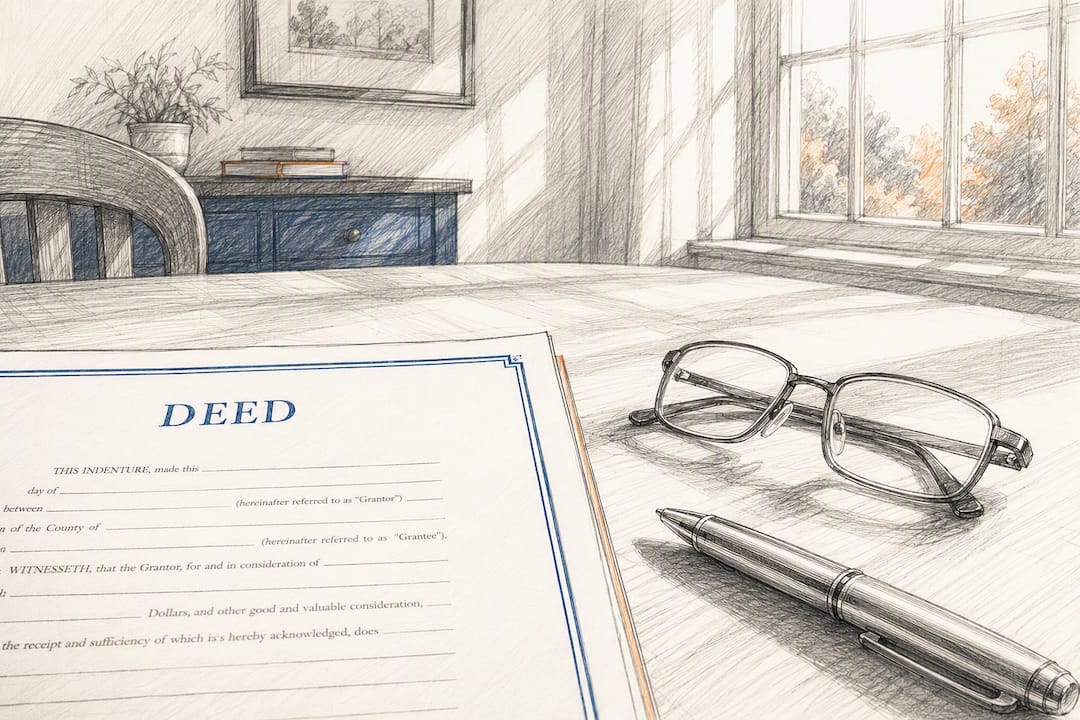
The biggest mistake in townhouse valuation isn't a measurement slip. It's treating "townhouse" as a fixed category instead of checking the deed. Plenty of guides online skip straight to comps and adjustments without addressing ownership form first, and that's backwards.
Conventional advice also underrates HOA health. The data on financing restrictions makes that clear.
If you take one thing from this article, make it this: confirm ownership type before you spend a dollar on upgrades or hire anyone. Everything else, the form, the comps, the adjustments, flows from that single fact. Readers who want the broader methodology behind how appraisers weigh these factors should look at our breakdown of sales-comparison and cost approaches.
— Alek
Ready for a Certified Townhouse Appraisal? Here's How to Start
Newjerseyrealestateappraisal is the alternative to guessing your townhouse's value off a real estate app or a neighbor's sale price. We're state-certified, USPAP-compliant, and we build every report around the ownership documents and HOA data that actually drive attached-home value, not a generic algorithm.

Requesting a report is straightforward. If your property sits in Atlantic County, start with our Atlantic County appraisal services page. If you're dealing with a property tax appeal on a townhouse anywhere in the state, our certified tax appeal appraisal service is built specifically for that fight.
Before you call, gather your deed or declaration of condominium, any HOA or association financial documents, and your most recent listing or sales history. Having those ready lets us schedule your inspection faster and deliver a defensible report sooner. Call us at (908) 517-3913 to get started.
Sources
- Condo-approval
- Condo vs. Townhouse for appraisers (Appraisal Today)
- ARV for Condos and Townhomes (Deal Run)