

Valuing your property accurately in New Jersey's dynamic real estate market can feel overwhelming, especially when stakes are high for sales, refinancing, or legal proceedings like divorce and estate settlement. New Jersey's unique market characteristics, from inventory fluctuations to tax assessment lags, demand professional valuation methods that go beyond automated estimates. This article delivers expert tips on the criteria, approaches, and nuances you need to navigate property valuation confidently. Whether you're preparing to sell, refinancing your mortgage, or resolving legal matters, understanding these professional techniques will empower you to make informed decisions and maximize your property's value.
Table of Contents
- Key Takeaways
- Understanding criteria for accurate property valuation in New Jersey
- Explore the three main real estate valuation approaches with NJ examples
- Navigating valuation nuances and market complexities in New Jersey
- Comparing valuation approaches and choosing the right method for your needs
- Get expert New Jersey real estate appraisal services today
- Frequently asked questions
Key Takeaways
| Point | Details |
|---|---|
| Main valuation methods | The Sales Comparison, Cost, and Income approaches are the three primary methods used to estimate property value. |
| NJ market adjustments | Adjust valuations for energy scores and tax assessment lags that can distort market value relative to assessed value. |
| Pre listing appraisals | Conduct pre listing appraisals to price accurately and speed up sales. |
| Appraisals vs taxes | Know the difference between professional appraisals and tax assessments to set expectations and avoid over or under pricing. |
Understanding criteria for accurate property valuation in New Jersey
Accurate property valuation starts with recognizing the specific criteria that influence New Jersey real estate values. The New Jersey real estate market in 2026 shows median home prices stabilizing around $550,000, with inventory levels creating competitive conditions in many counties. Understanding these benchmarks helps you contextualize your property's position in the market.
Several critical factors shape valuation outcomes in New Jersey. Property type matters significantly, whether you own a single-family home, multi-unit building, or commercial space. Condition and age directly affect value, as does the presence of unique features like waterfront access, historic designation, or recent energy-efficient upgrades. Location nuances play an outsized role, with shore properties, Bergen County estates, and urban centers each commanding different valuation considerations.
New Jersey's tax assessment system creates a unique challenge. Municipal assessments often lag actual market values, sometimes by significant margins, which affects both property tax bills and valuation expectations. Home energy ratings, measured by the HERS index, can add measurable value to appraisals when properties demonstrate superior efficiency. For a deeper exploration of how these methods apply specifically to New Jersey properties, review the NJ valuation methods breakdown.
Key valuation criteria to consider:
- Current market supply and demand dynamics in your specific county or municipality
- Property condition, including deferred maintenance, recent renovations, and structural integrity
- Comparable sales data from the past six months in your immediate neighborhood
- Unique property features such as lot size, views, historic character, or environmental factors
- Local zoning regulations and potential for property use changes or expansions
Explore the three main real estate valuation approaches with NJ examples
Professional appraisers rely on three main appraisal methods to determine property value, each suited to different property types and valuation purposes. Understanding when and how to apply each method gives you insight into the appraisal process and helps you anticipate valuation outcomes.
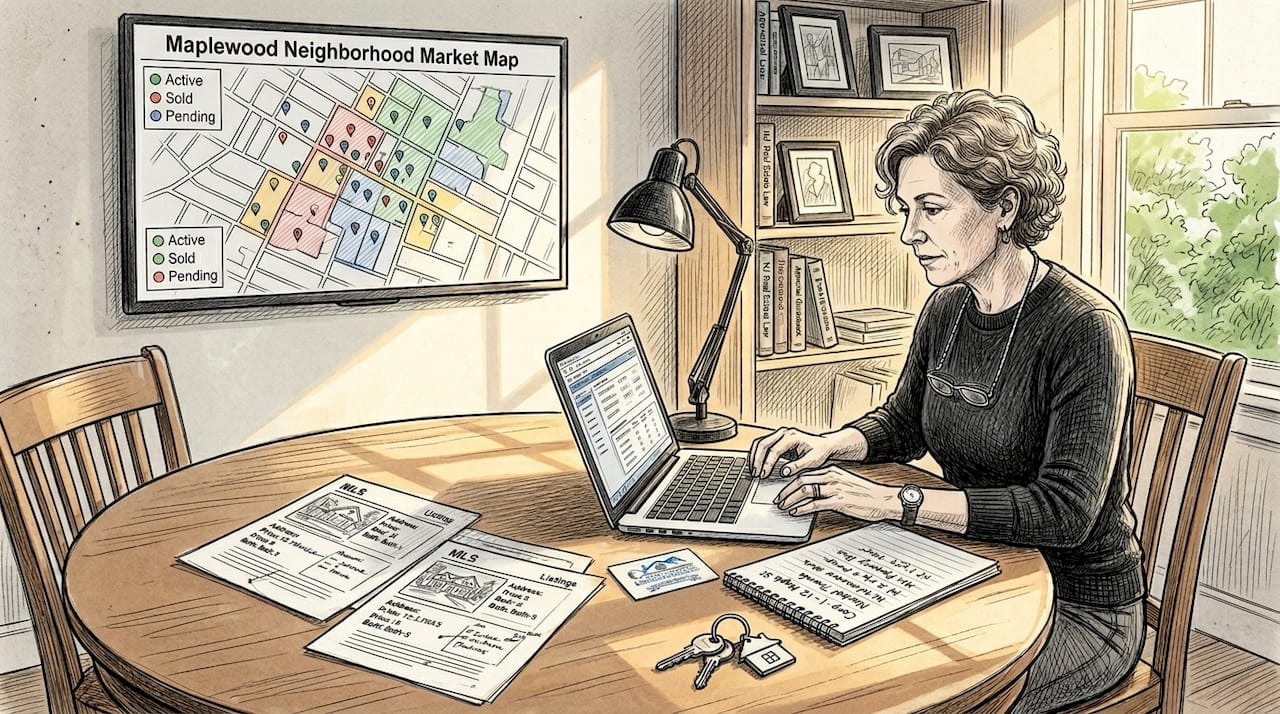
The Sales Comparison Approach dominates residential valuations for one to four family homes. This method analyzes recently sold properties similar to yours in location, size, condition, and features. Appraisers make adjustments for differences between your property and the comparables, using techniques like paired sales analysis to quantify how specific features affect value. For example, if comparable homes with finished basements sold for $25,000 more than those without, that adjustment applies to your property's valuation.
The Cost Approach works best for new construction, special-use properties, or unique homes with few comparables. This method calculates what it would cost to replace your property today, subtracts depreciation based on age and condition, then adds land value. A newly built custom home in Bergen County might be valued by estimating construction costs at $200 per square foot, adding $300,000 for the land, and making minimal depreciation adjustments.
The Income Approach applies primarily to investment properties with five or more units or commercial real estate. This method capitalizes net operating income using market-derived capitalization rates. A small apartment building generating $60,000 in annual net income with a local cap rate of 6% would be valued at approximately $1,000,000. For comprehensive details on how these approaches apply to various property types, explore NJ appraisal services.
Pro Tip: While the Sales Comparison Approach provides quick initial assessments for residential properties, reconciling it with Cost or Income methods in complex cases ensures accuracy and defendability, especially for legal proceedings or refinancing.
| Valuation Approach | Best Application | Typical Property Types |
|---|---|---|
| Sales Comparison | Primary residential method | 1-4 family homes, condos, townhouses |
| Cost | New construction, unique properties | Custom homes, special-use buildings, new developments |
| Income | Investment property analysis | Multi-family (5+ units), commercial, rental properties |
Navigating valuation nuances and market complexities in New Jersey
New Jersey's real estate market presents specific nuances that significantly impact property valuations. Tax assessments in many municipalities lag market values by approximately 31%, creating discrepancies between assessed values and actual market prices. This gap opens opportunities for tax appeals when assessments exceed fair market value, but it also means you cannot rely on tax assessments as accurate indicators of sale price.
Home energy performance creates measurable value differences in New Jersey appraisals. Properties with HERS scores indicating superior energy efficiency can command 2.5% to 4% higher values compared to similar homes with standard efficiency. This adjustment reflects both lower operating costs for buyers and increasing market preference for sustainable features. When preparing for sale or refinance, documenting energy improvements and obtaining HERS certification can translate directly into higher appraised values.
Marital property classification becomes critical in divorce valuations. New Jersey follows equitable distribution principles, requiring careful distinction between marital property acquired during marriage and separate property owned before marriage or received as inheritance. The valuation date matters significantly, as property values can fluctuate substantially between separation and final settlement. Appraisers must understand these legal nuances to provide court-acceptable valuations.
Bergen County, New Jersey's most populous county, illustrates regional valuation complexities. Median home prices here exceed state averages, historic properties require specialized valuation expertise, and proximity to New York City creates unique market dynamics. Shore properties in counties like Monmouth and Ocean face additional considerations including flood zone designations, seasonal rental income potential, and storm damage history.
"Paired sales analysis provides the most reliable adjustment data when sufficient market transactions exist. In divorce cases, understanding New Jersey's equitable distribution law, which favors fairness over strict equality, helps appraisers frame valuations appropriately for legal proceedings."
Critical New Jersey valuation considerations:
- Municipal revaluation cycles and their impact on assessment accuracy
- Flood zone designations and required insurance affecting marketability
- Historic district restrictions limiting renovation options and buyer pools
- School district quality driving significant price premiums in certain areas
- Commuter access to New York City and Philadelphia employment centers
For properties facing tax challenges, specialized NJ tax appeal appraisals provide the documentation needed to challenge overassessments effectively.
Comparing valuation approaches and choosing the right method for your needs
Selecting the appropriate valuation method depends on your property type, intended use of the appraisal, and specific circumstances. Reconciling multiple appraisal methods represents best practice, especially when valuations serve legal or lending purposes where accuracy and defensibility matter most.
| Method | Primary Strengths | Key Limitations | Best Use Cases |
|---|---|---|---|
| Sales Comparison | Market-driven, widely accepted | Requires sufficient comparable sales | Home sales, refinancing, most residential needs |
| Cost | Objective for new construction | Depreciation estimation subjective | New builds, unique properties, insurance |
| Income | Reflects investment return | Requires accurate income/expense data | Multi-family, commercial, investment properties |
Understanding the difference between a Comparative Market Analysis (CMA) and a formal appraisal helps you choose the right tool. Real estate agents provide CMAs for free to estimate listing prices, but these lack the rigor, independence, and credibility lenders and courts require. Formal appraisals conducted by state-certified professionals follow USPAP standards, include detailed property inspections, and provide legally defensible valuations.
Choosing your valuation approach:
- For home sales: Start with a pre-listing appraisal using Sales Comparison to price accurately and avoid listing too high or leaving money on the table. Properties priced within 3% of appraised value typically sell 30% faster.
- For refinancing: Lenders require formal appraisals, usually Sales Comparison for residential properties. Ensure your appraiser understands recent comparable sales and any value-adding improvements you've made.
- For divorce settlements: Obtain independent appraisals from certified professionals experienced in legal valuations. Both parties may want separate appraisals, with reconciliation or a third appraisal resolving disputes.
- For estate settlement: Formal appraisals establish fair market value at the date of death for tax purposes and equitable distribution among heirs. The Cost Approach may supplement Sales Comparison for unique properties.
- For investment decisions: Use Income Approach for multi-family or commercial properties to evaluate cash flow and return on investment. Cross-check with Sales Comparison to ensure market alignment.
- For tax appeals: Certified appraisals comparing assessed value to market value provide the strongest evidence for challenging overassessments. Document all comparable sales and adjustment rationale thoroughly.
Pro Tip: Getting a pre-listing appraisal before putting your home on the market reduces days on market by providing objective pricing guidance and gives you negotiating confidence when buyers request price reductions.
Reconciling multiple approaches strengthens valuation credibility. When Sales Comparison suggests $500,000, Cost Approach indicates $485,000, and Income Approach shows $510,000 for a small multi-family property, the appraiser weighs each method's reliability for that specific property type and market conditions. For residential properties, Sales Comparison typically receives the most weight, while Income Approach dominates for larger investment properties.
Get expert New Jersey real estate appraisal services today
Now that you understand professional valuation methods and New Jersey market nuances, partnering with experienced certified NJ real estate appraisers ensures you receive accurate, credible valuations for any purpose. Whether you need a pre-listing appraisal to price your home competitively, a divorce valuation that meets court requirements, or a tax appeal appraisal to challenge overassessments, working with specialists who understand New Jersey's unique market delivers results.

Our team provides USPAP-compliant appraisals for residential, commercial, and land properties across all New Jersey counties. With over 26 years of experience serving homeowners, investors, attorneys, and lenders, we deliver court-ready reports that stand up to scrutiny. Specialized services include pre-listing appraisals in New Jersey that help you sell faster and divorce appraisals in New Jersey that facilitate fair settlements. Contact us today for a quote and experience the difference professional expertise makes in achieving your real estate goals.
Frequently asked questions
What is the most accurate real estate valuation method for New Jersey homes?
The Sales Comparison Approach provides the most accurate valuations for typical New Jersey residential properties because it reflects actual market transactions and buyer behavior. However, reconciling Sales Comparison with Cost or Income methods when applicable strengthens accuracy and defensibility. Professional appraisals conducted by state-certified appraisers deliver more precise valuations than automated estimates or CMAs because they include property inspections, local market expertise, and adjustments for New Jersey-specific factors like HERS scores and tax assessment discrepancies. For comprehensive valuation services, explore NJ appraisal services.
How do tax assessments impact property valuation and appeals in New Jersey?
Tax assessments in many New Jersey municipalities lag actual market values by roughly 30%, creating opportunities to challenge overassessments when your assessment exceeds fair market value. Municipal revaluation cycles vary widely, with some towns going decades between comprehensive revaluations while market conditions change dramatically. Professional appraisers use current market data, comparable sales analysis, and formulas like Chapter 123 ratios to support tax appeals effectively. Certified appraisal reports provide the strongest evidence for county tax boards and courts when challenging excessive assessments. Learn more about tax appeal appraisals.
What valuation considerations are important in New Jersey divorce settlements?
New Jersey divorce valuations require distinguishing marital property acquired during marriage from separate property owned before marriage or received as inheritance, as only marital property is subject to equitable distribution. Certified appraisals ensure valuations meet court standards and account for tax implications of property division. New Jersey follows equitable distribution principles favoring fairness over strict equality, so appraisers must understand how courts weigh factors like each spouse's financial circumstances and contributions. The valuation date, typically separation or filing date, significantly impacts outcomes in changing markets. Professional divorce appraisals services provide the independence and credibility courts require.
How much does a professional real estate appraisal cost in New Jersey?
Professional appraisal costs in New Jersey typically range from $400 to $600 for standard residential properties, with higher fees for larger homes, complex properties, or rush services. Commercial appraisals and specialized valuations for legal proceedings generally cost more due to additional analysis and documentation requirements. The investment in a certified appraisal often pays for itself through accurate pricing that prevents leaving money on the table in sales, successful tax appeals that reduce annual property taxes, or fair divorce settlements that avoid costly disputes. Quality appraisals from experienced professionals provide value far exceeding their cost.
When should I get a pre-listing appraisal before selling my home?
Obtain a pre-listing appraisal whenever you want objective pricing guidance before listing your home for sale. This strategy works especially well in uncertain markets, for unique properties without clear comparables, or when you suspect your home's value differs significantly from recent sales. Pre-listing appraisals help you avoid overpricing that leads to extended market time and price reductions, or underpricing that costs you thousands in lost equity. Properties priced accurately based on professional appraisals typically sell faster and closer to asking price, giving you confidence during negotiations and reducing stress throughout the selling process.
Recommended
- How to Prepare for a Home Appraisal in NJ | Expert Tips by NJREAG
- Appraisal methods breakdown: Understanding NJ valuation
- Maximize Your NJ Home Sale with a Pre-Listing Appraisal | NJREAG
- Real Estate Appraisal Blog NJ | Certified Insights from NJREAG
- Why Repaint Interiors? 10% Value Boost & Protection