
Appraised value and fair market value are not the same thing, and confusing them costs people money. Appraised value is a state-certified appraiser's documented opinion of worth, tied to USPAP standards and a specific purpose. Fair market value is what a willing buyer and willing seller actually agree on in the open market. Lenders use the appraised value to calculate your loan. Tax and estate matters often lean on fair market value instead. When the two numbers don't match, you get an appraisal gap, and someone has to cover the difference.
TL;DR:
- Appraised value is a backward-looking, regulated assessment by a licensed appraiser, primarily used for mortgage lending and refinancing purposes.
- Fair market value is a forward-looking estimate based on current demand, active listings, and recent sales negotiated between willing buyers and sellers.
- Large discrepancies often occur in hot markets or with unique properties, leading to appraisal gaps where the appraised value falls below the contract price.
- When an appraisal is low, options include requesting reconsideration, renegotiating the price, or bringing additional cash; a second appraisal should be backed by solid evidence.
- Formal USPAP-compliant appraisals are necessary for estate, divorce, or tax disputes, as they provide legally defensible valuations that reflect relevant valuation standards.
Table of Contents
- What Is Appraised Value in a Real Estate Transaction?
- What Fair Market Value Actually Means
- Appraised Value vs Market Value: A Side-by-Side Look
- Why Appraisal Gaps Happen and Who Pays for Them
- What to Do When the Numbers Don't Match
- When You Actually Need a State-Certified Appraisal
- Our Take: Stop Treating These Numbers as Interchangeable
- Get a USPAP-Compliant Appraisal You Can Actually Use
- Sources
- FAQ
What Is Appraised Value in a Real Estate Transaction?
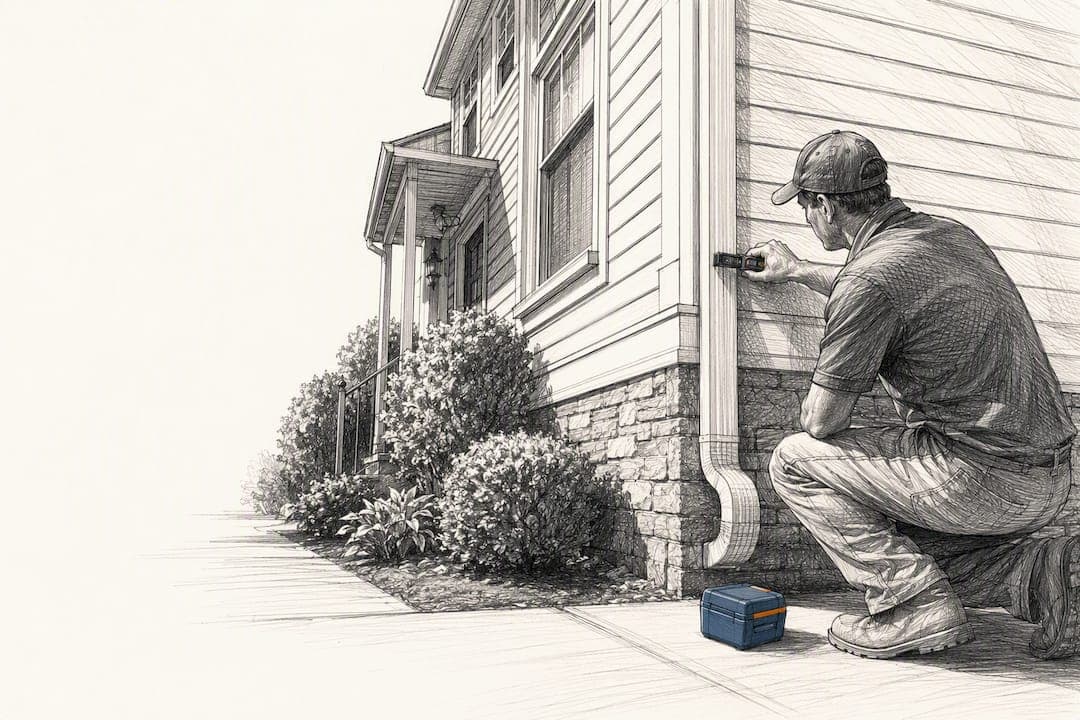
Appraised value is a documented opinion of worth, produced by a state-certified or licensed appraiser as of a specific date. It's not a guess. Every appraisal in the country follows the Uniform Standards of Professional Appraisal Practice, better known as USPAP, plus whatever licensing rules apply in the state where the property sits.
Appraisers build that opinion from hard inputs:
- Recent closed sales of comparable properties, adjusted for differences in size, condition, and location.
- A physical inspection of the subject property, noting condition, age, and any deferred maintenance.
- A defined scope of work that spells out what the appraiser did and didn't consider.
Lenders order appraisals for one reason: to confirm the collateral actually supports the loan. Your mortgage amount, your loan-to-value ratio, even your ability to remove PMI down the road all trace back to that number. Appraisals also get triggered for refinances and HELOCs, not just purchases.
Pro Tip: Pull your own list of comparable sales before the appraiser shows up. If you know of a recent sale the appraiser might miss, hand it over during the inspection. It's the easiest way to influence the outcome legally.
What Fair Market Value Actually Means
Fair market value is a legal and financial standard, not a professional opinion. The commonly cited definition: the price at which property would change hands between a willing buyer and a willing seller, with neither side under pressure and both having reasonable knowledge of the facts. That's the standard the IRS applies to estate and gift valuations, and it's the one most real estate agents mean when they estimate what your house is "worth."
Nobody appraises fair market value in the formal sense. It gets estimated through:
- A comparative market analysis (CMA) built by a real estate agent from recent local sales.
- Automated valuation models (AVMs) that crunch public records and listing data.
- Current active listings and how much buyer demand is chasing them.
- The final agreed price once a buyer and seller actually sign a contract.
Fair market value is forward-looking. It moves with bidding wars, buyer urgency, and how many people are competing for the same three-bedroom colonial in a given town. Appraised value, by contrast, looks backward at what already closed.
Appraised Value vs Market Value: A Side-by-Side Look
The practical differences come down to who issues the number, what data feeds it, and whether anyone regulates the process.
| Factor | Appraised Value | Fair Market Value |
|---|---|---|
| Who issues it | Licensed or certified appraiser | Market forces; estimated by agents, buyers, sellers |
| Regulated? | Yes, under USPAP and state licensing | No formal regulation of the estimate itself |
| Time orientation | Backward-looking (closed comps) | Forward-looking, responsive to live demand |
| Primary use | Mortgage underwriting, LTV, refinancing | Sale negotiations, tax appeals, estate, insurance |
| Typical variability | Tends to be conservative | Can spike or drop quickly with demand |
The gap between the two widens most in fast-moving markets, where bidding wars push contract prices ahead of what closed sales support. It also shows up with unusual properties, like a heavily renovated farmhouse or a waterfront lot, where few true comparables exist. When you're relying on either figure for a major decision, look for the same trust signals: USPAP compliance, documented and adjusted comparables, and a clear explanation of how the lender is handling loan-to-value if financing is involved.
Why Appraisal Gaps Happen and Who Pays for Them
An appraisal gap is exactly what it sounds like: the appraised value comes in lower than the contract price. Lenders base your loan on the lesser of the two figures, not on what you agreed to pay the seller.
Appraisal shortfalls aren't rare. They happen often enough in competitive markets that most real estate agents build the possibility into their negotiation strategy from the start, since closed-sale data naturally lags behind what buyers are currently willing to pay.
When the gap shows up, a few things typically happen:
- The buyer has to bring extra cash to closing to cover the difference.
- Buyer and seller renegotiate the price downward.
- The deal falls apart and the buyer walks, assuming the contract allows it.
- Closing gets delayed while everyone scrambles for a solution.
None of these outcomes are pleasant, and all of them are more common in New Jersey's hotter counties than most buyers expect going in.
What to Do When the Numbers Don't Match
If your appraisal comes in low, you've got real options. Work through them in this order:
- Ask for a reconsideration of value. Give the appraiser or lender better comparables, factual corrections, or details the original report missed.
- Renegotiate with the seller. A documented appraisal gives you leverage to ask for a lower price or seller concessions.
- Bring bridge cash to closing. If the gap is small, covering it directly may be faster than renegotiating.
- Check your contract's appraisal-gap clause. Some contracts already specify how a shortfall gets handled, including waivers buyers sometimes sign in competitive offers.
- Order an independent appraisal. If you believe the first one was flawed, a second opinion can support your case.
Pro Tip: Before you challenge a low appraisal, gather three things: closed comparable sales from the last 90 days, photos documenting upgrades the appraiser may have missed, and a written list of factual errors in the report. Reconsideration requests without evidence rarely go anywhere.
When You Actually Need a State-Certified Appraisal
Not every situation calls for a full appraisal. But estate settlements, divorce proceedings, and property tax appeals almost always do, and courts and taxing authorities expect a defensible, USPAP-compliant report, not a CMA.
Appraisal firms like New Jersey Real Estate Appraisal Group have handled these assignments across many New Jersey counties for many years. Our reports document scope of work, comparable selection, and the appraisal date clearly enough to hold up under legal scrutiny. If you're facing equitable distribution in a divorce, a date-of-death valuation for probate, or a tax appeal deadline in your county, a market estimate from an agent won't cut it. A formal appraisal will.
Our Take: Stop Treating These Numbers as Interchangeable
The biggest mistake we see isn't misunderstanding the definitions. It's assuming one number should simply defer to the other. Buyers get frustrated when an appraisal comes in under their offer, as if the appraiser got it wrong. Often, the appraiser got it right, and the contract price reflected competitive pressure that closed sales hadn't caught up to yet.
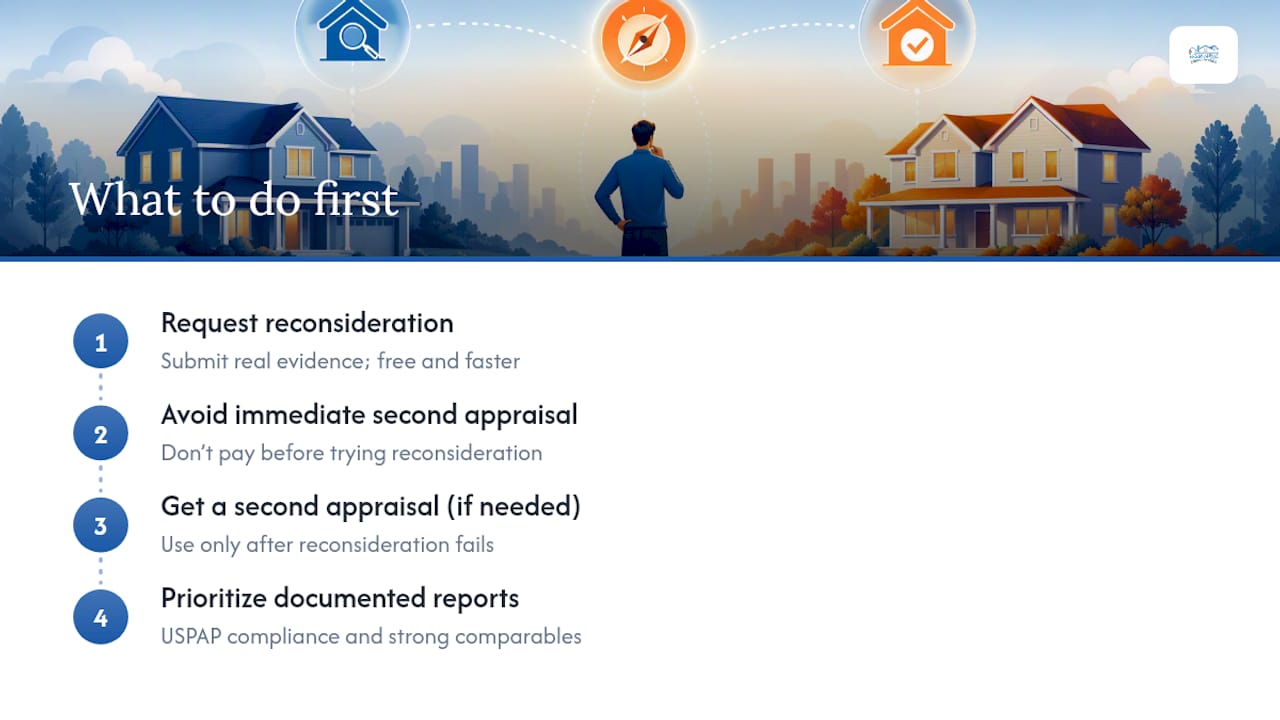
The conventional advice, "just get a second appraisal," skips a step. Before you spend money on a new report, request a reconsideration with real evidence. That process is free, faster, and resolves a meaningful share of disputes without a second inspection.
If you're navigating a tax appeal, divorce settlement, or estate matter, prioritize documentation over debate. Courts and assessors don't care which number "feels right." They care whether the report follows USPAP, and whether the comparables hold up to review. Get that part right first.
— Alek
Get a USPAP-Compliant Appraisal You Can Actually Use
If you're staring down an appraisal gap, a tax appeal deadline, or a divorce settlement that hinges on an accurate number, you need a report that holds up, not a rough estimate from a listing site. Newjerseyrealestateappraisal is state-certified, USPAP-compliant, and has worked across all 21 New Jersey counties for over 26 years, with specific depth in divorce, estate, and and tax appeal appraisals.

Whether you're an executor needing a date-of-death valuation, a homeowner preparing for a tax appeal, or an attorney who needs litigation-ready documentation, we build reports designed to survive scrutiny. Property owners in Atlantic County can start with our Atlantic County appraisal services page, and anyone statewide can request a quote directly through our main services page. Call us at (908) 517-3913 to talk through your situation before you commit to anything.
This article is general information, not a substitute for advice from a qualified financial advisor. Consult a qualified financial professional about your own circumstances before acting on anything here.
Sources
- Market Value vs. Appraised Value: How They Differ and When Each One Matters | Opendoor
- What is loan-to-value (LTV) and why does it matter | CapCenter
- Fair market value (FMV): What it is and how to calculate | Investopedia
- What Is an Appraisal Gap? | Redfin
FAQ
Is Appraised Value the Same as Fair Market Value?
No. Appraised value is a licensed appraiser's documented opinion for a specific purpose, while fair market value is the price a willing buyer and seller agree on without pressure, as defined by the IRS standard.
Which Value Does My Lender Use for My Mortgage?
Lenders base your loan and loan-to-value ratio on the appraised value, or the contract price if it's lower, not on fair market value.
What Happens if the Appraisal Comes in Lower Than the Purchase Price?
You've got an appraisal gap. You can renegotiate with the seller, bring extra cash to closing, request a reconsideration of value, or walk away if your contract allows it.
Do I Need an Appraisal for a Divorce or Estate Matter in New Jersey?
Yes, in most cases. Courts and executors typically require a state-certified, USPAP-compliant appraisal rather than an agent's market estimate for equitable distribution or date-of-death valuations.
Can Fair Market Value Be Higher Than Appraised Value?
Yes, often in competitive markets. Appraisals rely on closed comparable sales, which can lag behind real-time bidding activity that pushes fair market value higher.