

Dividing property during divorce often feels straightforward until you realize land valuation involves more than checking recent sale prices. In New Jersey, equitable distribution means fair, not equal, and accurate land appraisal determines each spouse's rightful share. Whether you own undeveloped acreage, rental properties, or unique estates, understanding appraisal methods and legal requirements protects your financial interests. This guide walks you through appraisal processes, common challenges, and practical steps to secure fair property division during your New Jersey divorce.
Table of Contents
- Key Takeaways
- Understanding land appraisal in New Jersey divorce cases
- Common land appraisal methods in divorce settlements
- Navigating challenges and nuances in land appraisal for divorce
- Practical steps for individuals seeking land appraisals during New Jersey divorce
- Explore expert land appraisal services in New Jersey
- Frequently asked questions
Key Takeaways
| Point | Details |
|---|---|
| Fair market value date | FMV as of the divorce filing date forms the baseline for equitable distribution calculations in New Jersey. |
| Certified appraisals matter | Certified USPAP compliant appraisals provide court admissible objective valuations and reduce bias. |
| Early appraisal engagement | Engaging certified appraisers early allows time for thorough property evaluation and fewer last minute valuation issues. |
| Tailored valuation methods | Land type dictates methods such as CMA for rough estimates, professional appraisals for accuracy, rental income analysis for income properties, and retrospective valuations for the divorce date FMV. |
Understanding land appraisal in New Jersey divorce cases
Property division in New Jersey follows equitable distribution principles, not automatic 50/50 splits. Courts weigh 16 factors under N.J.S.A. 2A:34-23.1, including marriage duration, each spouse's contributions, and economic circumstances. Land appraisal establishes the foundation for these decisions by determining fair market value (FMV) as of a specific date, typically when the divorce complaint is filed.
Accurate valuation matters because court-ready divorce appraisals in New Jersey provide objective data courts rely on during settlement negotiations or trial. Without certified appraisals, spouses risk accepting unfair property divisions based on guesswork or outdated tax assessments. A guide to dividing real estate in a New Jersey high net worth divorce confirms that in New Jersey divorces, land and real estate appraisals are essential for equitable distribution, determining fair market value (FMV) as of a specific date, often the filing or complaint date.
Certified appraisers deliver USPAP-compliant reports that withstand legal scrutiny. These professionals inspect properties, analyze comparable sales, and document findings in detailed reports. Their work supports accurate divorce settlement appraisals by removing emotional bias and providing transparent valuation methodologies.
Key reasons land appraisal is critical in New Jersey divorce:
- Establishes baseline property value for equitable distribution calculations
- Provides court-admissible documentation for settlement or trial
- Identifies hidden value in undeveloped or income-producing land
- Supports buyout negotiations when one spouse retains property
- Prevents future disputes by creating clear valuation records
Engaging appraisal services in New Jersey early in the divorce process allows time for thorough property evaluation and reduces last-minute complications. Appraisers need access to property records, survey documents, and time to conduct physical inspections. Rushing this process increases the risk of incomplete valuations that fail to capture unique property features or market conditions.
Common land appraisal methods in divorce settlements
Different land types require tailored appraisal approaches. A guide to dividing real estate in a New Jersey high net worth divorce outlines common methodologies including Comparative Market Analysis (CMA), professional appraisals assessing condition and comparables, rental income analysis for income-producing land, and retrospective appraisals for divorce date FMV. Understanding these methods helps you select the right approach for your property situation.
Comparative Market Analysis (CMA) examines recent sales of similar properties within your area. Real estate agents often provide CMAs, but they lack the legal weight of certified appraisals. CMAs work best for preliminary estimates or uncontested divorces where both parties agree on value ranges.
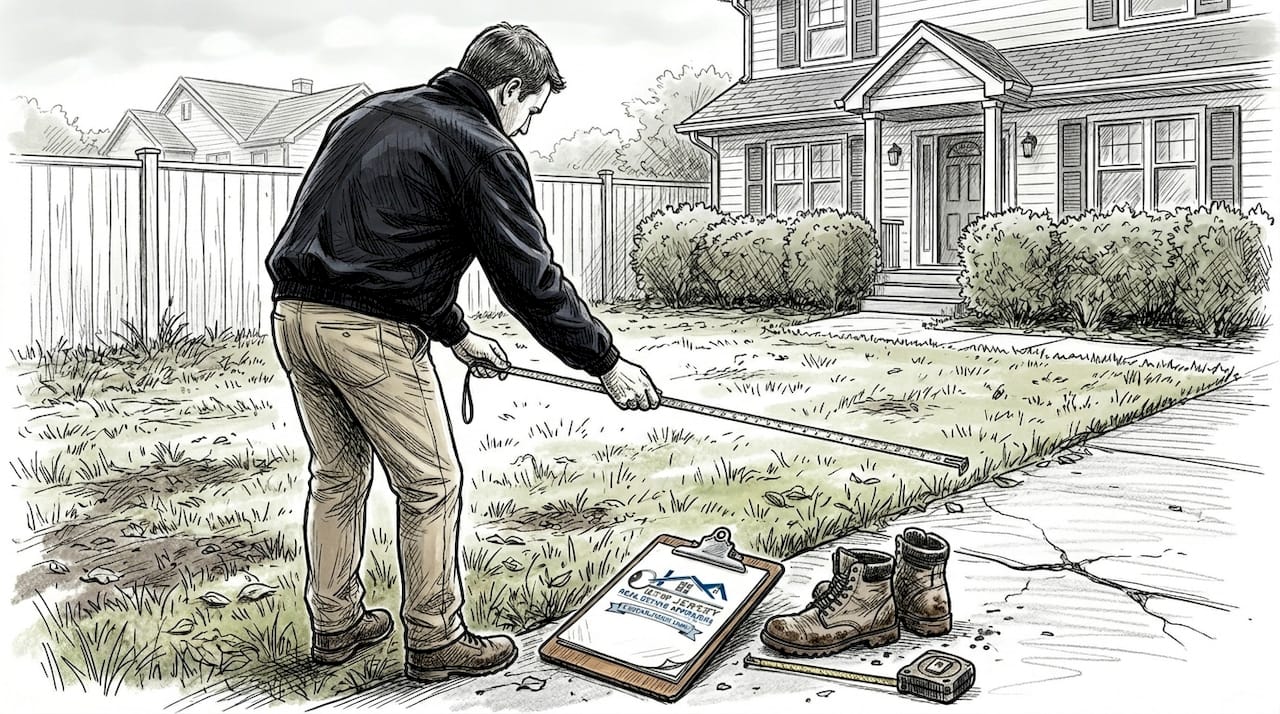
Certified professional appraisals involve licensed appraisers conducting on-site inspections, measuring land dimensions, evaluating topography, and comparing your property to recent sales. These comprehensive reports detail property condition, zoning restrictions, access rights, and market trends. Land appraisal services in New Jersey provide this level of detail, ensuring courts accept the valuation.
Income-producing properties require specialized analysis. Appraisers calculate potential rental income, assess operating expenses, and apply capitalization rates to estimate property value. This method suits commercial land, rental properties, or agricultural parcels generating revenue.
Retrospective appraisals determine property value as of a past date, crucial when divorce proceedings span months or years. Since New Jersey typically uses the filing date for FMV determination, retrospective appraisals reconstruct market conditions and comparable sales from that specific period.
| Appraisal Method | Best For | Typical Cost | Legal Weight |
|---|---|---|---|
| Comparative Market Analysis | Preliminary estimates, uncontested cases | $0-$500 | Low (not court-admissible) |
| Certified Professional Appraisal | Most divorce cases, standard properties | $400-$800 | High (USPAP-compliant) |
| Income Analysis | Rental properties, commercial land | $600-$1,200 | High (specialized approach) |
| Retrospective Appraisal | Long divorce proceedings, past-date valuation | $500-$1,000 | High (reconstructs historical value) |
Pro Tip: Request appraisers provide detailed comparable sales data in their reports. This transparency helps you verify valuation accuracy and strengthens your negotiating position during settlement discussions.
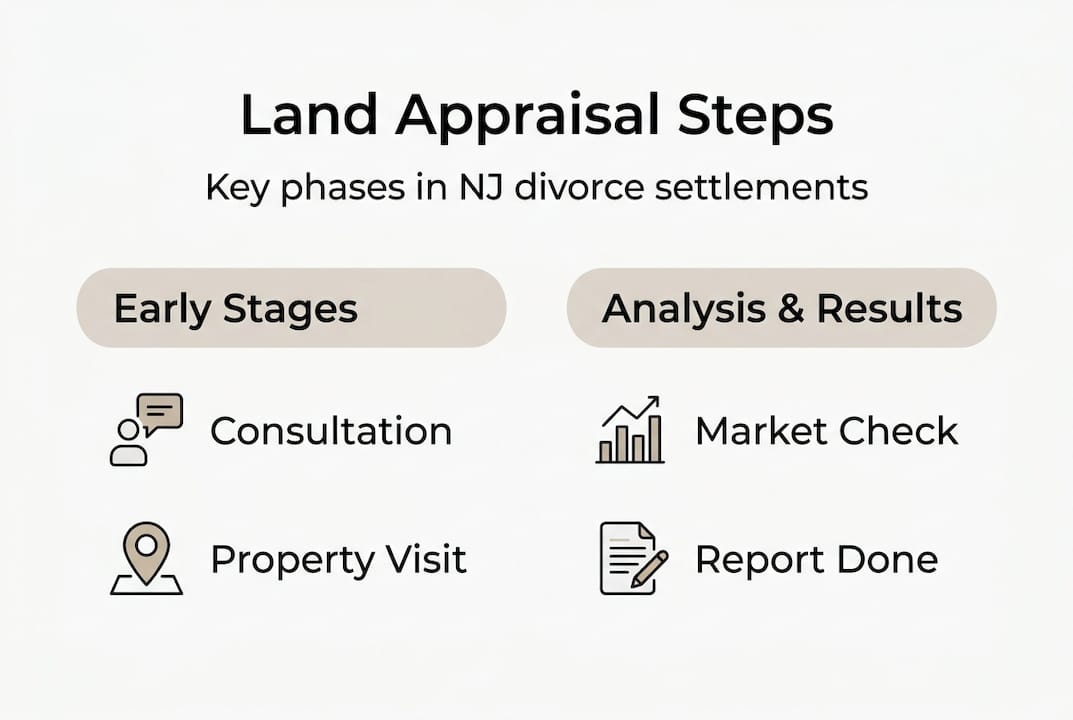
The land appraisal process steps typically include initial consultation, property inspection, market research, comparable analysis, and final report preparation. Expect the process to take 7 to 14 days depending on property complexity and appraiser availability. Providing complete documentation upfront accelerates timelines and improves accuracy.
Navigating challenges and nuances in land appraisal for divorce
Complex properties introduce valuation challenges that standard appraisal methods struggle to address. A guide to dividing real estate in a New Jersey high net worth divorce identifies edge cases including unique properties like historic estates with few comparables, high-net-worth rentals or business-tied land requiring forensic experts, retrospective valuations, and commingling separate land with marital funds. These scenarios demand specialized expertise to ensure accurate, defensible valuations.
Historic estates or properties with unusual features often lack comparable sales data. Appraisers must rely on adjusted valuation techniques, considering restoration costs, architectural significance, and niche buyer markets. Challenges valuing unique properties illustrate how scarcity of comparables leads to disputes, making expert testimony essential during settlement negotiations or trial.
Business-related land presents additional complexity when properties serve operational purposes or generate income tied to one spouse's enterprise. Forensic appraisers separate business value from real estate value, preventing double-counting assets. This distinction matters when dividing marital property fairly while protecting business continuity.
Commingling occurs when separate property (owned before marriage or inherited) mixes with marital funds. If you used joint income to improve inherited land or paid mortgage payments from shared accounts, the property may become partially marital. Appraisers must trace financial contributions and calculate the marital portion subject to division. Fair property division appraisals address these tracing challenges through detailed financial analysis.
NJ high taxes and complexity favor experts for land buyouts during divorce, according to divorce settlement guidance. New Jersey's elevated property tax rates affect buyout decisions because the spouse retaining land assumes ongoing tax obligations. Appraisers should factor tax burdens into valuation discussions, ensuring buyout amounts reflect true ownership costs.
| Challenge Type | Common Issues | Expert Solution |
|---|---|---|
| Unique Properties | Historic estates, limited comparables, specialized features | Adjusted valuation techniques, architectural assessments |
| Income Properties | Business operations, rental income valuation | Forensic appraisers separate business and real estate value |
| Commingling | Separate property mixed with marital funds | Financial tracing, marital portion calculation |
| Tax Implications | High NJ property taxes affect buyout fairness | Tax-adjusted valuations, ongoing cost analysis |
Pro Tip: Engage forensic accountants early if your land involves business operations or commingled funds. Their financial analysis complements appraisal reports and strengthens your position during property division negotiations.
Retrospective valuations become necessary when significant time passes between filing and settlement. Real estate markets fluctuate, and using current values instead of filing-date values can unfairly advantage one spouse. Appraisers reconstruct market conditions using historical data, comparable sales from the relevant period, and economic indicators. Accuracy in divorce appraisals depends on this temporal precision, especially in volatile markets.
Dispute prevention strategies:
- Commission independent appraisals before negotiating property division
- Share appraisal reports transparently to build settlement momentum
- Consider joint appraisals where both parties agree on one appraiser
- Budget for second opinions if initial valuations seem questionable
- Involve tax professionals to assess property tax and capital gains implications
Complex property disputes in divorce often extend beyond domestic real estate. If you own land outside New Jersey or internationally, coordinate with appraisers familiar with those jurisdictions. Valuation standards and legal requirements vary, requiring specialized knowledge to ensure compliance and accuracy.
Practical steps for individuals seeking land appraisals during New Jersey divorce
Starting the appraisal process strategically improves outcomes and reduces stress. For equitable settlement, commission independent appraisers early, especially given NJ high taxes and complexity that favor experts for land buyouts. Early engagement provides time for thorough evaluation and prevents rushed decisions that compromise accuracy.
Follow these steps to secure reliable land appraisals:
- Identify all land holdings subject to division, including undeveloped parcels, rental properties, and jointly owned acreage
- Gather property documentation such as deeds, surveys, tax assessments, mortgage statements, and improvement records
- Research certified appraisers with New Jersey licensure and divorce case experience
- Schedule initial consultations to discuss property characteristics, appraisal timelines, and fee structures
- Provide appraisers complete access to properties and documentation to facilitate accurate inspections
- Review draft reports carefully, asking questions about methodology, comparables, and assumptions
- Share final appraisal reports with your divorce attorney to inform settlement negotiations
- Consider second opinions if valuations seem inconsistent with market expectations or if disputes arise
Hiring certified land appraisers in New Jersey with divorce expertise ensures appraisers understand legal requirements and court expectations. Look for credentials including state certification, USPAP compliance, and testimonials from divorce attorneys or prior clients. Experience matters because divorce appraisals face heightened scrutiny compared to standard real estate transactions.
Documentation checklist for appraisers:
- Property deeds and title documents
- Recent survey or plot plans
- Zoning information and land use restrictions
- Property tax statements from the past three years
- Records of improvements, renovations, or development work
- Lease agreements if the property generates rental income
- Mortgage statements showing outstanding loan balances
- Homeowners association documents if applicable
Appraisal reports should include market value conclusions, property descriptions, comparable sales analysis, photographs, and methodology explanations. Accurate home appraisals for divorce provide this comprehensive detail, giving courts and attorneys confidence in valuation accuracy. Reports typically range from 20 to 40 pages depending on property complexity.
Communicating appraisal results effectively supports settlement negotiations. Share reports with your attorney first to develop strategy before disclosing to your spouse or their counsel. Your attorney can identify valuation strengths, anticipate challenges, and position the appraisal to support your property division goals.
Timeline considerations matter because appraisals have limited shelf lives. Most courts accept appraisals conducted within six months of settlement or trial dates. If your divorce extends beyond this window, budget for updated appraisals to reflect current market conditions. Court-ready divorce appraisal services can provide updated valuations efficiently when needed.
Cost management strategies include negotiating appraiser fees upfront, sharing appraisal costs with your spouse when appropriate, and prioritizing properties with the highest values or greatest dispute potential. Spending $800 on a certified appraisal for a $500,000 property makes financial sense, while smaller parcels might justify simpler valuation methods.
Explore expert land appraisal services in New Jersey
Navigating land valuation during divorce demands professional expertise you can trust. New Jersey Real Estate Appraisal Group offers certified, court-ready land appraisals in New Jersey tailored specifically for divorce cases. With over 26 years of experience serving homeowners, attorneys, and divorce professionals across New Jersey, we deliver USPAP-compliant reports that support equitable property division and withstand legal scrutiny.

Our specialized court-ready divorce appraisals address complex scenarios including income-producing properties, historic estates, and commingled assets. We provide comprehensive valuation services throughout New Jersey counties, including convenient Atlantic County appraisal services. Early engagement ensures you receive accurate valuations that protect your financial interests and facilitate smoother settlements. Contact us today to discuss your land appraisal needs and secure the expert guidance your divorce case deserves.
Frequently asked questions
How is the fair market value of land determined during a New Jersey divorce?
Fair market value is typically determined by certified appraisers using recent sales of comparable properties and physical property inspections. The valuation date is often set as the date of divorce filing or complaint, ensuring both parties divide property based on consistent market conditions. Appraisers analyze location, size, zoning, improvements, and market trends to establish defensible FMV figures courts accept during settlement or trial.
What happens if the land is a rental or income-producing property?
Rental income and potential earnings are analyzed to estimate property value through income capitalization methods. Appraisers examine lease agreements, operating expenses, vacancy rates, and market rental rates to calculate net operating income. Property appraisal for income land requires specialized expertise because income potential significantly influences valuation beyond simple comparable sales analysis.
Why is hiring a certified appraiser important in a divorce case?
Certified appraisers provide objective, reliable valuations that courts accept as credible evidence during property division proceedings. Their expertise reduces disputes by removing emotional bias and applying standardized methodologies that both parties can trust. Importance of certified appraisers extends beyond initial valuation, as their testimony may be required if settlement negotiations fail and cases proceed to trial.
Can I use tax assessments instead of professional appraisals?
Tax assessments rarely reflect accurate fair market value because municipalities use them for taxation purposes, not real estate transactions. Assessments often lag behind market changes and apply standardized formulas that ignore unique property features. Courts typically reject tax assessments as reliable valuation evidence in divorce cases, requiring certified appraisals that meet USPAP standards and provide comprehensive market analysis.
What if my spouse and I disagree on the appraised value?
Disagreements often lead to each party commissioning independent appraisals, with courts weighing both reports during settlement or trial. Alternatively, spouses can agree on a single neutral appraiser both parties trust, reducing costs and streamlining the process. When valuations differ significantly, courts may order third appraisals or average the two values, though this approach varies by judge and case circumstances.
Recommended
- Divorce Settlement Appraisals NJ | Fair Property Division – NJREAG
- Court-Ready Divorce Appraisals in New Jersey | NJREAG
- Divorce Settlement Appraisals in NJ | Accurate Valuations – NJREAG
- Property appraisal for probate in New Jersey: 2026 guide
- What Happens to Retirement Accounts in a Divorce? | Guide