

A manufactured home appraisal must combine a sales-comparison approach with a detailed, replicable cost approach, reported on Form 1004C (or Form 70B for exterior-only inspections). That's the rule. Skip either piece, and the report gets kicked back by underwriting or torn apart in court.
The appraiser also has to be USPAP compliant and have actual manufactured-home experience, not just site-built background. Before the appraiser even walks the property, you'll need the HUD Data Plate visible, the manufacturer invoice on hand, and installation certification if the home was set after 2008.
Key Takeaways
A defensible manufactured home appraisal requires a supported cost approach, at least two manufactured-home comparables, and a USPAP-compliant appraiser reporting on Form 1004C or 70B.
| Point | Details |
|---|---|
| Required forms | Form 1004C covers interior/exterior inspections; Form 70B applies to exterior-only reports. |
| Minimum comparables | At least two manufactured-home comps, plus a closed single-wide sale when the subject is a single-wide. |
| Cost approach is mandatory | Must cite a published cost service, effective date, quality rating, depreciation, and separate site value. |
| Documentation to gather | Manufacturer invoice, purchase contract, installation certification, and title evidence before the site visit. |
| Work with a specialist | Newjerseyrealestateappraisal delivers state-certified, USPAP-compliant manufactured home reports. |
Primary Sources for Manufactured Home Appraisal Rules
- Fannie Mae Selling Guide, B4-1.4-01: comparable and cost approach requirements
- Fannie Mae MH Advantage appraisal resources: required photos and checklists
- Freddie Mac Guide, Section 5703.9: cost approach and documentation standards
- The Appraisal Foundation: USPAP standards for appraisal practice
Table of Contents
- Why Manufactured Home Appraisal Rules Differ From Site-Built Homes
- What Form 1004C and 70B Require From the Appraiser
- Comparable Sales Rules for Manufactured Home Valuation
- The Cost Approach Is Not Optional Here
- What to Require From Your Manufactured Home Appraiser
- Photos and Documents the Appraiser Will Need On-Site
- How to Prepare Your Property for the Appraisal Visit
- Sources
Why Manufactured Home Appraisal Rules Differ From Site-Built Homes
Manufactured homes are built to the HUD Code, a federal construction standard, not local building codes like site-built houses. That single fact changes everything downstream: titling, financing, and how the home resells.
A home titled as personal property (like a vehicle) carries different marketability than one that's been converted to real property and permanently affixed to land you own. Lenders lean on Fannie Mae and Freddie Mac guides because those investors set the rules for what gets bought on the secondary market. When the home qualifies for Fannie Mae's MH Advantage program or Freddie Mac's CHOICEHome, additional documentation and comparable-sale flexibility kick in. Miss that distinction, and the appraiser might use the wrong comp pool entirely.
What Form 1004C and 70B Require From the Appraiser
Form 1004C is the standard interior/exterior manufactured home appraisal report. Form 70B applies when only an exterior inspection and data analysis are performed. Both forms record specific identifying details that a site-built appraisal form never asks for.
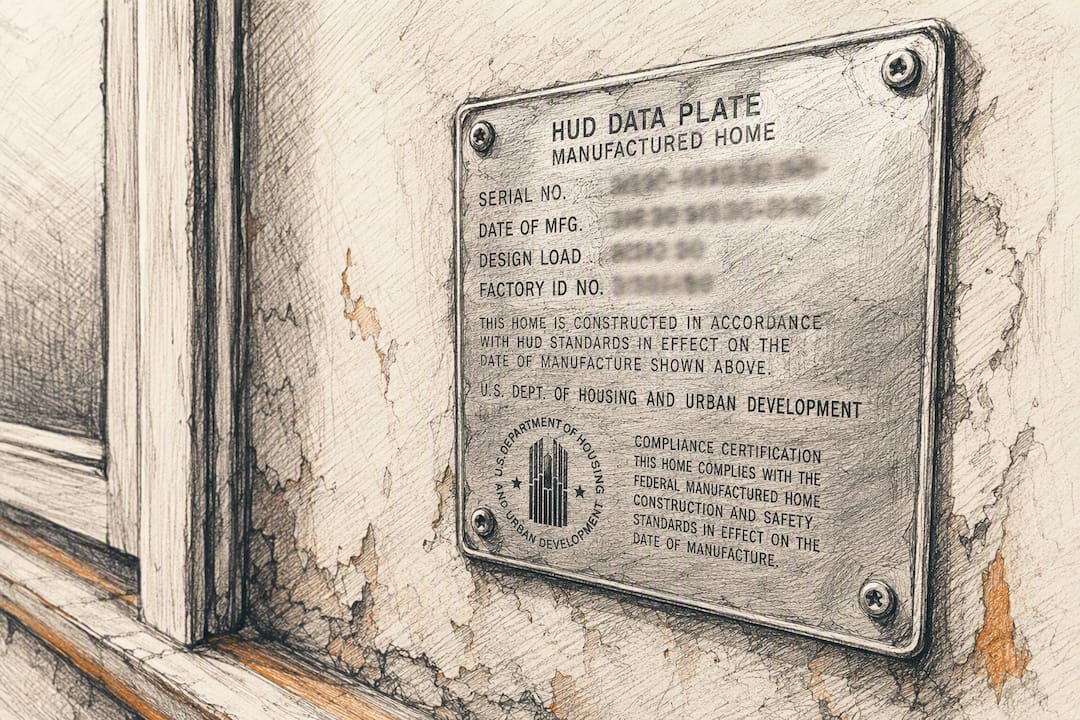
The appraiser has to document the manufacturer name, model, and HUD Data Plate and serial numbers, along with the foundation type, utility connections, and site value separate from the structure's value. That level of detail exists because manufactured homes can be swapped, resold, or relocated in ways a site-built house can't.
For new homes appraised before installation is finished, a completion certification (sometimes called Form 400) may be required before the loan can be sold to Freddie Mac. Here's what typically gets requested alongside the forms:
- Executed purchase contract for the home and, separately, the land if applicable
- Manufacturer's invoice showing base price and installed options
- Certification of installation or foundation engineering documentation
- Title evidence showing whether the home is titled as real or personal property
Comparable Sales Rules for Manufactured Home Valuation
You can't value a manufactured home off a random mix of nearby site-built sales and call it defensible. Fannie Mae's Selling Guide sets a floor: a minimum of two comparable sales that are themselves manufactured homes.
For single-wide subjects, the guide asks for one closed sale of a similar single-wide when available in the market. That's a hard rule, not a suggestion, because single-wide and multi-wide homes don't compete for the same buyers.
- When manufactured comps run thin, a site-built or other factory-built sale may serve as the third comparable, but only with a written explanation and supported adjustments.
- Active listings or under-contract sales can sometimes back up marketability as supplemental exhibits, not as substitutes for closed sales.
- Older or out-of-area comps require the appraiser to state why closer, fresher sales weren't available and how the adjustments account for the gap.
The Cost Approach Is Not Optional Here
This is where manufactured home appraisals diverge hardest from site-built work. On a typical site-built appraisal, the cost approach is often a formality. On a manufactured home, it's mandatory and has to be detailed enough that a lender's reviewer could rebuild the math independently.

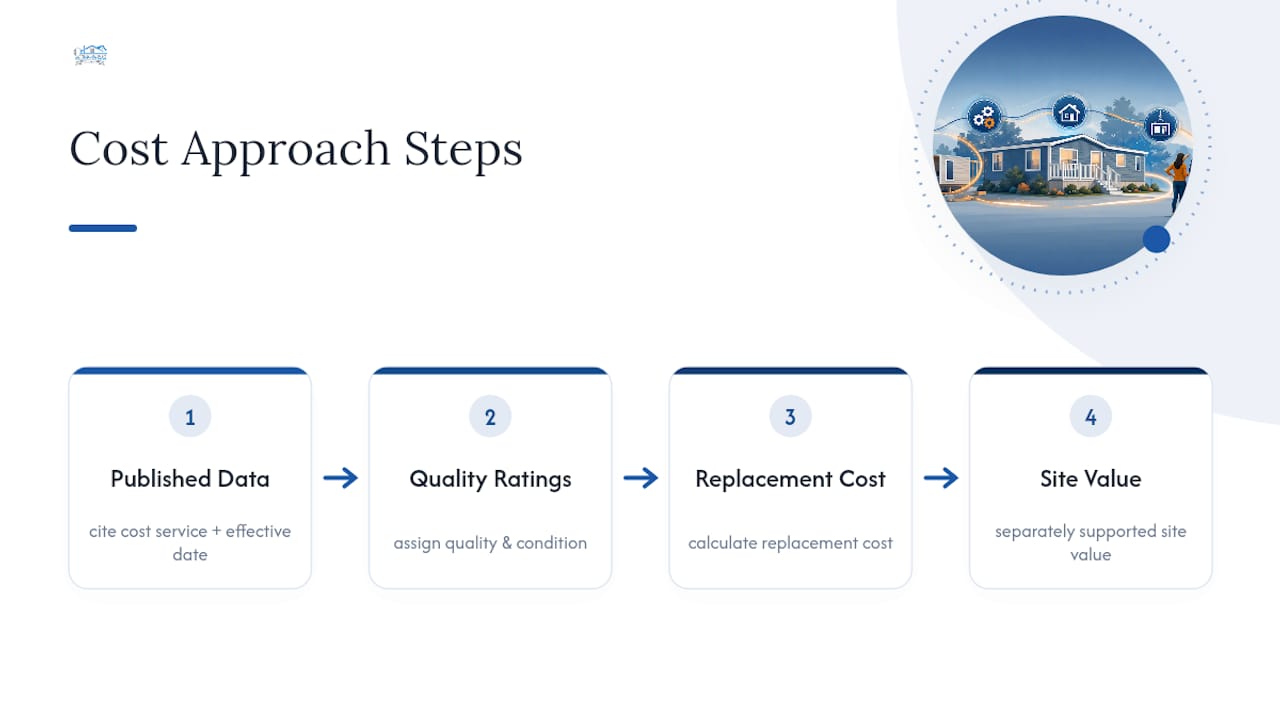
The appraiser has to pull figures from a published cost service, citing the specific source and effective date, then layer in quality ratings, replacement cost, depreciation, and a separately supported site value. When comparable sales are scarce, some appraisers lean on retail-book references like NADA or Marshall & Swift to justify quality and condition ratings used in those adjustments. The income approach only enters the picture for investment properties like manufactured home park appraisals in NJ, where rental income drives value alongside the structure itself.
What to Require From Your Manufactured Home Appraiser
Not every state-certified appraiser has done manufactured home work. Ask directly: how many manufactured home appraisals has this person completed, and do they understand HUD Data Plate documentation and installation certification requirements?
Local market knowledge matters more here than on a standard site-built job, since manufactured home comps are thinner and geography-specific. On the lender side, you're responsible for handing the appraiser the purchase contract, manufacturer data, and any completion documentation up front. Every report still has to meet USPAP standards, the professional baseline that makes a report defensible in a lending file or a courtroom.
Photos and Documents the Appraiser Will Need On-Site
The inspection checklist for a manufactured home appraisal is longer than for a typical house, and skipping an item causes real delays.
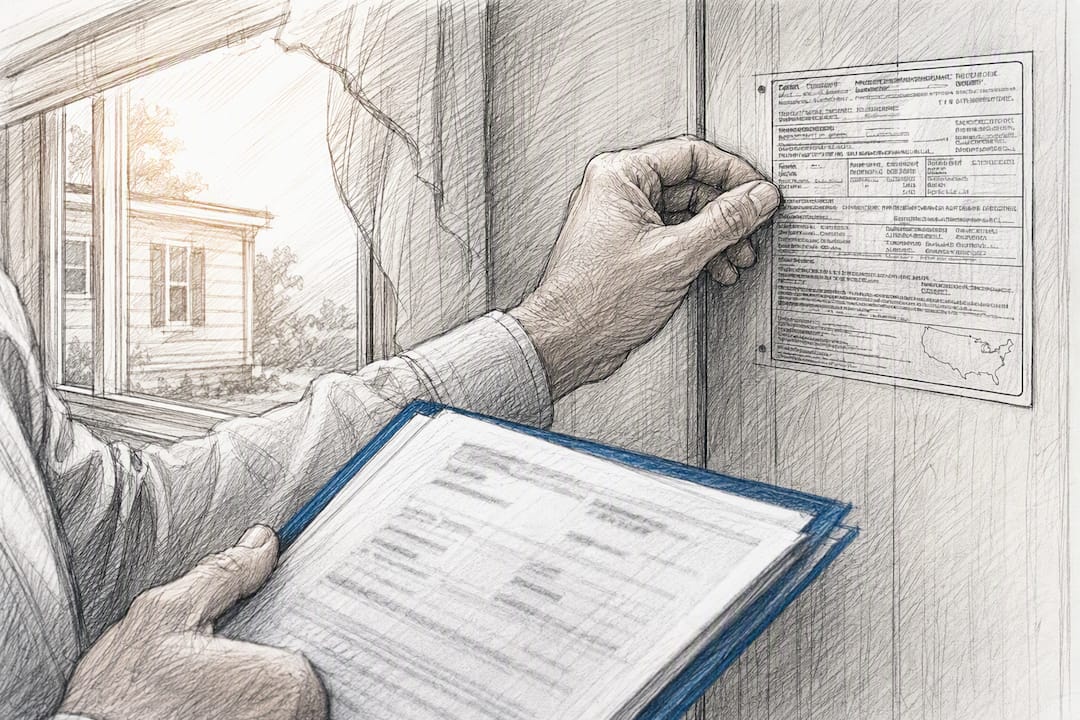
- Photograph the HUD Data Plate, usually inside a cabinet or closet, showing the certification label numbers.
- Photograph the HUD Certification Labels (the metal tags on the home's exterior) and confirm the numbers match the manufacturer invoice.
- If the home qualifies, photograph the MH Advantage or CHOICEHome sticker, which proves program eligibility for special comparable rules.
- Document the foundation type and utility hookups, especially for homes on permanent foundations.
- Note any incomplete site improvements (driveway, skirting, decking) that affect as-is value.
Mismatched or missing serial numbers between the Data Plate and the sales contract are a top reason lenders flag reports for correction.
Pro Tip: Take a clear photo of the HUD Data Plate the day you move in and keep it with your closing documents. You'll need those numbers again for refinancing, tax appeals, or a future sale.
How Long a Manufactured Home Appraisal Takes and What It Costs
Expect one to two weeks from order to delivered report for a home-only assignment; land-and-home appraisals in rural counties can run longer. Fees climb with remoteness, when comparable manufactured home sales are scarce, or when a completion report is required for a new install.
The single biggest delay we see: missing manufacturer paperwork. Get the invoice and installation certification together before you order.
How to Prepare Your Property for the Appraisal Visit
Get your paperwork together before the appraiser's van pulls up. It saves a callback and, often, saves you money.
- Pull the executed purchase contract, manufacturer invoice, and installation or foundation certification.
- Gather title evidence showing whether the home is titled as real or personal property.
- Collect receipts for any upgrades, additions, or energy-efficient features that could support a condition adjustment.
- Make the HUD Data Plate physically accessible and confirm utilities are on for the visit.
- Give the appraiser a written list of upgrades with dates and invoices, not a verbal summary.
Don't tell the appraiser what number you need the report to land on. Disclose seller concessions and included personal property honestly. Read our full home appraisal preparation guide for a broader walk-through that applies to manufactured and site-built homes alike.
Where NJREAG Fits Into a Defensible Manufactured Home Report
We're state-certified and produce USPAP-compliant reports for lending, probate, divorce, and tax appeal matters across all 21 New Jersey counties. Manufactured home files get the same rigor as any residential appraisal we deliver: serial numbers logged, HUD labels photographed, and installation records cross-checked against the contract.
Call us when the home is titled as real property, financing depends on the outcome, or the report needs to hold up in a legal proceeding.
What Actually Trips Up Manufactured Home Appraisals
Missing HUD labels cause more rework than any other issue we see. Second on the list: sellers who never kept the manufacturer invoice, which forces the appraiser to hunt for cost data elsewhere.
The third mistake is assuming site-built comps always work as a fallback. They don't, not without a written explanation and supported adjustment. If title status is unclear, loop in a real estate attorney before the appraisal, not after.
Pro Tip: Photograph the HUD Data Plate now and store the file with your mortgage papers. It's the single document owners lose track of most.
— Alek
Order a State-Certified Manufactured Home Appraisal From NJREAG
A generic appraiser without manufactured home experience is the alternative most homeowners default to, and it's exactly how reports end up bounced back by underwriting or challenged in a divorce or estate proceeding. Newjerseyrealestateappraisal has handled manufactured home valuations across every New Jersey county for over 26 years, with reports built specifically for lending files and legal review.

We're state-certified, USPAP-compliant, and we know what a Form 1004C reviewer is going to check line by line. Have your manufacturer invoice, purchase contract, and installation certification ready when you call. Readers in South Jersey can start with our Atlantic County appraisal services page, and anyone needing a report for probate or estate matters should look at our trust and financial planning appraisals. No outcome guarantees. Just a report built to hold up. Call (908) 517-3913 to get started.
Sources
- Factory-Built Housing: Manufactured Housing — Fannie Mae Selling Guide
- Appraising Manufactured Homes — Fannie Mae
- Appraisal requirements for Manufactured Homes — Freddie Mac Guide
- What you need to know about appraising MH Advantage homes — AppraisalBuzz
- The Appraisal Foundation — USPAP resources