
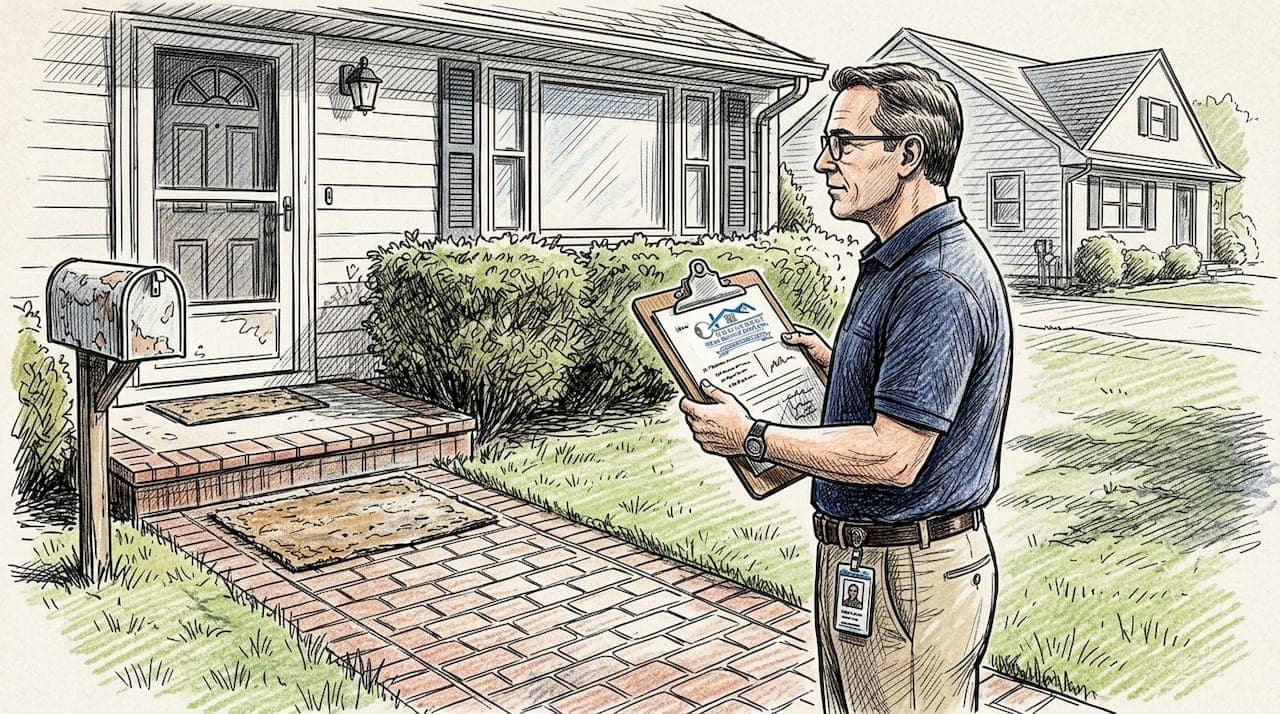
Securing an accurate home appraisal in New Jersey can feel overwhelming when you need it for refinancing, divorce settlements, or estate planning. The process requires finding licensed professionals who follow strict standards while understanding what impacts your property's value. This comprehensive guide walks you through selecting qualified appraisers, preparing your home, navigating the inspection process, and addressing potential challenges. You'll learn practical steps to ensure your appraisal meets legal requirements and reflects true market value, whether you're working with lenders, attorneys, or making important financial decisions about your New Jersey property.
Table of Contents
- Key Takeaways
- Understanding the essentials: choosing a licensed appraiser in New Jersey
- Preparing your property and information for an accurate appraisal
- Navigating the appraisal process: steps, timelines, and report details
- Common challenges and how to address low appraisals or appraisal gaps in NJ
- Professional appraisal services tailored to New Jersey homeowners
- FAQ
Key Takeaways
| Point | Details |
|---|---|
| Licensed NJ appraisers | New Jersey requires appraisers to hold state licenses and follow USPAP standards to ensure ethical, competent valuations. |
| Verify credentials upfront | Check the NJ Division of Consumer Affairs Real Estate Appraisers Board to confirm license status and disciplinary history before hiring. |
| Preparation improves accuracy | Document improvements, fix minor issues, declutter, and disclose appraisal purpose to give the appraiser essential context. |
| Process includes inspection and report | The appraisal process typically includes a property inspection, comps analysis, and the issuance of a formal written report. |
| Cost range | Typical appraisal costs range from $350 to $775 depending on property type. |
Understanding the essentials: choosing a licensed appraiser in New Jersey
Hiring a properly licensed appraiser sets the foundation for a valid, defensible property valuation. New Jersey requires appraisers to hold proper state licenses and follow USPAP standards, ensuring they meet professional competency requirements and ethical guidelines. Independent appraisers provide unbiased opinions free from conflicts of interest that could compromise accuracy.
Verifying credentials protects you from unlicensed practitioners who cannot produce legally acceptable reports. The NJ Division of Consumer Affairs Real Estate Appraisers Board maintains a searchable database where you can confirm an appraiser's license status, disciplinary history, and certification level. This simple verification step prevents costly mistakes down the road.
Several reliable sources can connect you with qualified professionals:
- Real estate agents and brokers who regularly work with appraisers for transactions
- Attorneys specializing in divorce or estate law who need court-ready valuations
- Mortgage lenders maintaining approved appraiser panels
- Online directories through professional appraisal organizations
- County bar associations that refer experts for legal proceedings
USPAP compliance matters because these standards govern everything from inspection thoroughness to report formatting. State-certified New Jersey appraisers trained in USPAP methodology produce reports that withstand scrutiny in legal proceedings, refinancing applications, and tax appeals. Non-compliant appraisals get rejected by lenders and courts, wasting your time and money.
Pro Tip: Ask potential appraisers about their experience with your specific property type and appraisal purpose. Someone specializing in divorce valuations understands retrospective effective dates and court testimony requirements that standard refinance appraisers might not handle regularly.
"The difference between a qualified appraiser and an unqualified one often shows up months later when you discover the report doesn't meet legal or lending requirements. Verify credentials upfront to avoid expensive do-overs."
When reviewing home appraisals in New Jersey, look for detailed explanations of value conclusions, not just final numbers. Quality appraisers provide transparent methodology showing how they arrived at their opinions through market data analysis.
Preparing your property and information for an accurate appraisal
Proper preparation helps appraisers see your property's true value and reduces the risk of overlooked features affecting the final number. Homeowners should document improvements, fix minor issues, declutter, and disclose appraisal purpose to facilitate thorough evaluations. Taking these steps before the appraiser arrives demonstrates property care and provides essential context.
Documentation tells the story of your home's improvements and maintenance history. Gather these materials:
- Building permits for additions, renovations, or major system upgrades
- Receipts and invoices showing improvement costs and completion dates
- Warranties for new appliances, HVAC systems, or roofing
- Property surveys establishing lot lines and easements
- HOA documents detailing community amenities and fees
Minor repairs and presentation matter more than you might think. Fix leaky faucets, replace burnt-out bulbs, and patch obvious wall damage. Declutter rooms so appraisers can accurately measure spaces and assess condition. A clean, well-maintained appearance signals ongoing care that supports higher valuations. Deep cleaning isn't necessary, but removing excessive personal items helps appraisers focus on the property itself.
Providing neighborhood context gives appraisers valuable information they might not discover through database research alone. Mention nearby parks, top-rated schools, recent community improvements, or upcoming development projects. If your area has unique features like waterfront access, historic designation, or proximity to major employers, point these out. Local market knowledge helps appraisers select appropriate comparables and make accurate adjustments.
Disclosing your appraisal purpose upfront ensures the appraiser follows the correct approach and reporting format. Refinance appraisals focus on current market value with specific lender requirements. Divorce appraisals often need retrospective valuations as of separation dates. Estate appraisals require date-of-death values for tax purposes. Each scenario demands different methodology and documentation.
Pro Tip: Create a simple one-page property fact sheet listing square footage, room counts, recent improvements with dates, and unique features. Hand this to the appraiser during the inspection to ensure nothing gets missed in their notes.
When you prepare for a home appraisal, focus on substance over staging. Appraisers look past decorating choices to evaluate structural components, system functionality, and market position. Your preparation should highlight genuine value factors rather than cosmetic touches that don't affect appraised value.
Navigating the appraisal process: steps, timelines, and report details
Understanding what happens during an appraisal removes uncertainty and helps you know what to expect at each stage. The appraisal process includes scheduling inspection, reviewing comps, and issuing a URAR report in 3 to 7 days, though complex properties or busy markets may extend timelines slightly. Each step builds toward the final valuation opinion.
The process follows a logical sequence:
- Initial contact where you disclose the appraisal purpose and property details
- Scheduling the inspection at a mutually convenient time
- Property walkthrough with interior and exterior measurements
- Photograph documentation of key features and conditions
- Comparable sales research within your market area
- Adjustment analysis to account for differences between properties
- Report compilation with value conclusion and supporting data
- Quality review and delivery to you or your designated recipient
During the inspection, appraisers measure room dimensions, note finishes and upgrades, assess condition, and photograph representative areas. They examine structural components, mechanical systems, and site characteristics. Most residential inspections take 30 to 60 minutes depending on property size and complexity. You can be present to answer questions and provide access to all areas.

Comparable selection follows specific guidelines to ensure relevance. Appraisers typically search for sales within one mile of your property that closed within the past three to six months. They look for similar style, size, age, and condition. In rural areas or unique property situations, search parameters may expand to find appropriate matches.
| Adjustment Category | Typical Range | Basis |
|---|---|---|
| Square footage | $50 to $150 per sq ft | Market extraction |
| Bedroom/bathroom count | $5,000 to $15,000 each | Paired sales analysis |
| Garage spaces | $8,000 to $20,000 | Local market data |
| Lot size premium | $2,000 to $10,000 per 1,000 sq ft | Regression analysis |
| Condition differences | 5% to 15% of value | Appraiser judgment |
Adjustments account for differences between your property and the comparables. If a comparable sold for $400,000 but lacks the finished basement your home has, the appraiser adds value to that comparable to make it more similar to yours. Appraisers use paired sales analysis or regression methods to support adjustment amounts with market evidence.

The Uniform Residential Appraisal Report (URAR) presents findings in a standardized format lenders and courts recognize. It includes property description, neighborhood analysis, comparable sales grid with adjustments, reconciliation of value approaches, and final opinion. Quality reports explain reasoning behind adjustments and provide market context for conclusions.
Turnaround time varies by appraiser workload and property complexity. Standard single-family homes typically receive reports within three to seven business days. Unique properties, rural locations, or periods of high demand may require additional time. Rush services sometimes cost extra but can deliver reports in 24 to 48 hours when urgency exists.
For pre-listing home appraisals, the process remains identical but serves a different purpose. These appraisals help sellers set realistic asking prices based on current market data rather than aspirational thinking or outdated tax assessments.
Common challenges and how to address low appraisals or appraisal gaps in NJ
Even well-prepared properties sometimes receive lower-than-expected valuations or face appraisal gaps in competitive markets. Understanding these challenges and your options helps you respond effectively rather than accepting disappointing results without question.
Structural or maintenance issues significantly impact value. Negative factors include structural issues, unpermitted work, and location drawbacks that appraisers must reflect in their opinions. Foundation cracks, roof damage, outdated electrical systems, or code violations reduce marketability and require downward adjustments. Unpermitted additions create legal complications that cautious buyers avoid, suppressing market appeal.
Appraisal gaps occur when low appraisals can be challenged with evidence; appraisal gaps require buyer cash coverage in hot markets where purchase prices exceed appraised values. New Jersey's competitive real estate environment sometimes creates situations where buyers offer above asking price, but appraisals come in lower. Lenders base loan amounts on appraised value, not contract price, leaving buyers to cover gaps with additional cash or renegotiate terms.
Contesting low appraisals requires evidence, not emotion. Follow these steps:
- Review the appraisal report carefully for factual errors in property description or measurements
- Identify comparable sales the appraiser missed that better support higher values
- Gather evidence of recent improvements the appraiser may have undervalued
- Submit a formal reconsideration of value request with supporting documentation
- Provide market data showing the appraiser's comparables were poor choices
- Consider ordering a second appraisal if significant money is at stake
Pro Tip: Time your challenge strategically. If you're refinancing and rates are rising, weigh the cost of delay against potential value increase. Sometimes accepting a slightly lower appraisal and moving forward makes more financial sense than fighting for months.
| Scenario | Appraisal Type | Key Difference |
|---|---|---|
| Current sale/refinance | Market value as-is | Uses recent comparable sales, current condition |
| Divorce settlement | Retrospective value | Values property as of specific past date |
| Estate settlement | Date of death value | Requires historical market research |
| Tax appeal | Assessment challenge | Focuses on assessment methodology, not market value |
Differentiating appraisal types matters because methodology and evidence requirements vary. Standard market appraisals use current data and condition. Retrospective appraisals for legal purposes require historical research to establish value as of past dates. Understanding which type you need prevents ordering the wrong report.
Location factors beyond your control also affect value. Proximity to commercial areas, busy roads, power lines, or less desirable neighborhoods creates unavoidable negative adjustments. While you cannot change these factors, understanding their impact helps set realistic expectations.
When dealing with common appraisal pitfalls, documentation becomes your strongest tool. Appraisers must support their opinions with market data, so providing contradictory evidence creates grounds for reconsideration. Emotional arguments about how much you love your home or how much you spent on improvements carry no weight without market support.
Professional appraisal services tailored to New Jersey homeowners
Navigating the appraisal process becomes simpler when you work with experienced professionals who understand New Jersey's diverse real estate markets. Whether you need valuations for refinancing, legal proceedings, or estate planning, certified appraisers deliver USPAP-compliant reports that meet lender and court requirements. With over 26 years of experience serving homeowners, attorneys, and real estate professionals across the state, specialized services ensure accurate valuations for residential, commercial, and land properties.

Local expertise matters when property values vary significantly between counties and municipalities. Atlantic County appraisal services address coastal market dynamics, while Union County appraisal services navigate suburban complexity near major employment centers. Understanding regional market trends, zoning regulations, and neighborhood characteristics ensures comparables reflect true market conditions.
Complex situations require specialized knowledge. Divorce settlement appraisals demand retrospective valuations, court testimony experience, and understanding of equitable distribution requirements. Estate appraisals need date-of-death values supported by historical market research. Professional appraisers familiar with legal proceedings produce defensible reports that withstand scrutiny and facilitate fair resolutions.
FAQ
How long does it typically take to get a home appraisal report in New Jersey?
Homeowners usually receive the Uniform Residential Appraisal Report within 3 to 7 business days after the property inspection. Timing varies based on property complexity, appraiser workload, and market conditions. Unique properties or rural locations may require additional research time, while rush services can deliver reports faster for urgent situations.
What documents should I prepare before the appraiser arrives?
Gather building permits for any additions or renovations, receipts showing improvement costs, and warranties for major systems or appliances. Include property tax information, previous appraisal reports if available, and details about neighborhood amenities or community features. Having home appraisal preparation tips and documentation ready helps appraisers capture all value factors during their inspection.
How can I challenge a low home appraisal in New Jersey?
Provide additional comparable sales data showing higher values the appraiser may have missed. Request a reconsideration of value from the appraiser or lender with supporting documentation of factual errors or better comparables. Challenge low appraisals with evidence such as recent comparable sales or corrections to support your position. If significant money is at stake, consider hiring a second appraiser for an independent opinion, though be aware of home appraisal mistakes and challenges that may affect outcomes.
What factors most commonly reduce home appraisal values in New Jersey?
Structural problems like foundation issues, roof damage, or outdated electrical systems create significant negative adjustments. Deferred maintenance, unpermitted additions without proper approvals, and functional obsolescence lower marketability. Location factors including proximity to commercial areas, busy roads, or less desirable neighborhoods also reduce values compared to better-situated properties.
Do I need to be present during the home appraisal inspection?
Your presence is optional but can be helpful for providing access to all areas and answering questions about improvements or property features. Many homeowners choose to be available at the start to let the appraiser in, then leave them to work independently. Being available by phone to answer questions works well if you cannot stay for the entire inspection.