
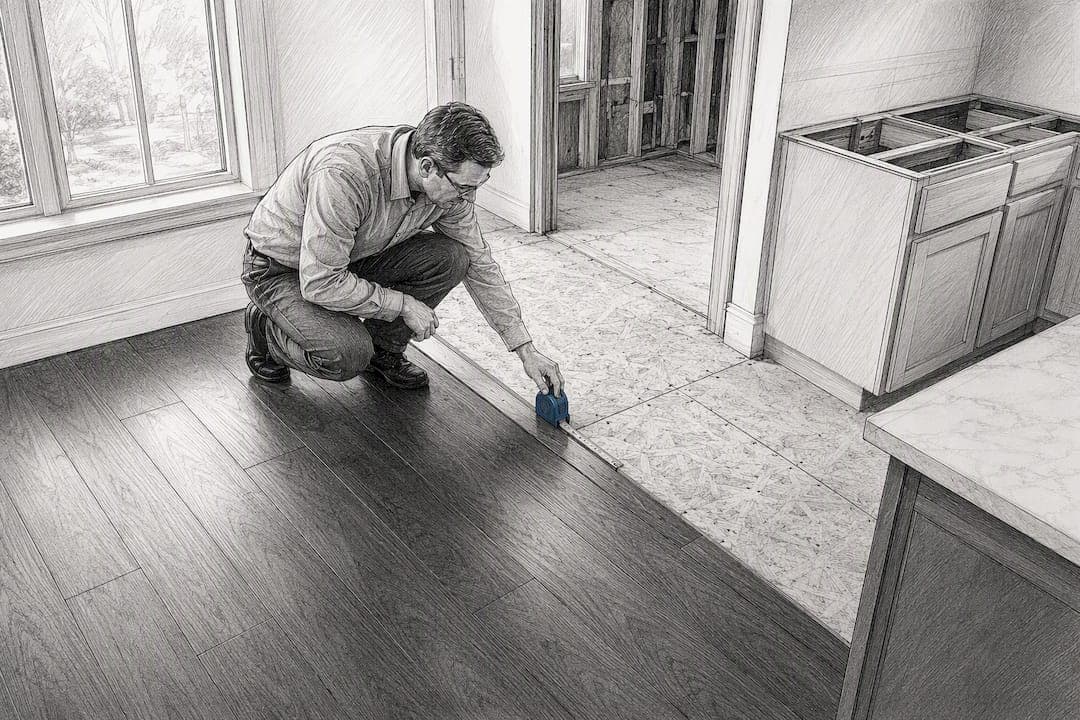
Yes, most hard money lenders will require some form of professional valuation before funding your loan, but the exact form varies by lender, loan size, and property complexity. Some accept evaluations, automated valuation models, or broker opinions for smaller, lower-risk deals. Your first move: get it in writing. Ask your lender whether they need as-is value, after-repair value (ARV), or both, and what credentials the appraiser must hold.
TL;DR:
- Most hard money lenders require some form of professional valuation, with the type depending on the loan size, property complexity, and risk level.
- Lenders often use both the property's as-is value and after-repair value to determine maximum loan amounts, with ARV typically resulting in higher loan caps.
- To avoid delays, borrowers should confirm valuation requirements, obtain written instructions, and gather permits, contractor estimates, and photos before inspections.
- Appraisals for hard money loans focus on collateral and property condition, but lenders also evaluate title, zoning, environmental issues, and borrower track record.
- Alternatives like AVMs, CMAs, or BPOs may be acceptable for smaller or lower-risk deals but must include supporting data and comply with lender policies.
Table of Contents
- Why Lenders Set Different Appraisal Requirements
- As-Is Value vs. After-Repair Value: What Each One Tells the Lender
- What Appraisers Inspect and Document for Hard Money Assignments
- Preparing Your Property and Paperwork for the Appraisal
- When Lenders Accept AVMs, CMAs, or BPOs Instead
- NJREAG's Checklist for Getting ARV Assignments Right
- Alek's Practical Rules of Thumb for Investors
- Get a State-Certified Appraisal Built for Hard Money Underwriting
- Where This Guidance Comes From
- Sources
- FAQ
Why Lenders Set Different Appraisal Requirements
Hard money lenders aren't bound by the same rulebook as a bank. They set their own appraisal thresholds based on how much risk they're taking on.
Loan size matters. So does property type, complexity, loan-to-value ratio, and your exit strategy. A $2 million commercial rehab gets scrutinized differently than a $150,000 single-family flip.
Regulated banks operate under different constraints. Federal interagency guidelines set appraisal thresholds for federally related transactions, and evaluations can only substitute for appraisals in limited, lower-risk circumstances. Private hard money lenders have more flexibility, but the more responsible ones still lean on appraisal standards to protect their capital.
Here's the part borrowers often miss: an appraisal for hard money loans is collateral underwriting, not a loan guarantee. The lender still evaluates title issues, zoning restrictions, environmental red flags, and your track record as a borrower. A clean appraisal doesn't automatically mean approval.
Before you schedule anything, ask your lender these questions:
- What valuation type do you require: as-is, ARV, or both?
- Who orders the appraisal, and can I choose the appraiser?
- What credentials must the appraiser hold (state-certified vs. licensed)?
- What's the expected turnaround time?
Getting these answers upfront saves you from a costly surprise mid-transaction. If you're still comparing lenders, Lending Bankers Mortgage's guide to picking the right hard money lender walks through underwriting priorities that tend to line up with appraisal expectations.
As-Is Value vs. After-Repair Value: What Each One Tells the Lender
As-is value reflects the property's condition on the day of inspection. After-repair value, or ARV, projects what the property will be worth once renovations are complete. Hard money lenders use both numbers, often at the same time, to size your loan correctly.
Reliable comparable sales drive both figures. A good comp is:
- Recent — sold within the last three to six months in most markets.
- Similar — matching square footage, bedroom count, lot size, and condition.
- Local — pulled from the same neighborhood or a genuinely comparable one.
Fannie Mae's selling guide on comparable sales stresses adjusting comps for differences in condition, location, timing, and any concessions built into the sale price. Skip that adjustment step and your ARV estimate gets shaky fast.
Statistic Callout: Imagine a property appraises as-is at a moderate six-figure value and the lender caps loans at around two-thirds loan-to-value on that figure. The maximum loan offered reflects that percentage. If the deal uses an after-repair value at a typical loan-to-ARV cap, the available loan amount increases significantly due to the higher valuation after renovations. That gap is why lenders specify which value they're lending against before you sign anything.
Market absorption rates matter here too. In a market where comparable renovated homes are sitting for 90+ days, appraisers apply more caution to ARV projections, and lenders tend to follow suit.
What Appraisers Inspect and Document for Hard Money Assignments
The appraisal workflow follows a set sequence: assignment instructions, document review, site inspection, comparable sales analysis, value reconciliation, and a final written report. Every step matters for hard money loans because ARV assignments carry more moving parts than a standard purchase appraisal.
During inspection, certain conditions will drag down value fast:
- Structural issues, including foundation cracks or roof failure
- Water damage or evidence of ongoing moisture intrusion
- Pest or termite infestation
- Occupancy or safety violations that affect livability
For ARV assignments specifically, appraisers need renovation plans, itemized specs, contractor bids, and permit documentation. They separate work already completed from work still proposed, since USPAP requires the appraiser to state the property's condition and scope of work clearly as of the effective date.
Pro Tip: Get your lender's written instructions before the inspection, not after. Confirm whether they'll accept an ARV estimate based on comparable sales alone or whether they require a signed contractor estimate tied to specific scope items. This one clarification prevents most of the back-and-forth that delays hard money closings.
Preparing Your Property and Paperwork for the Appraisal
A little preparation shortens the appraisal timeline and reduces the odds of a lowball value. Gather these before the appraiser arrives:
- Project scope summary and detailed, itemized contractor estimates
- Permits or permit applications for any structural or systems work
- Recent, clear photos, including areas not yet renovated
- Title documents and HOA paperwork, if applicable
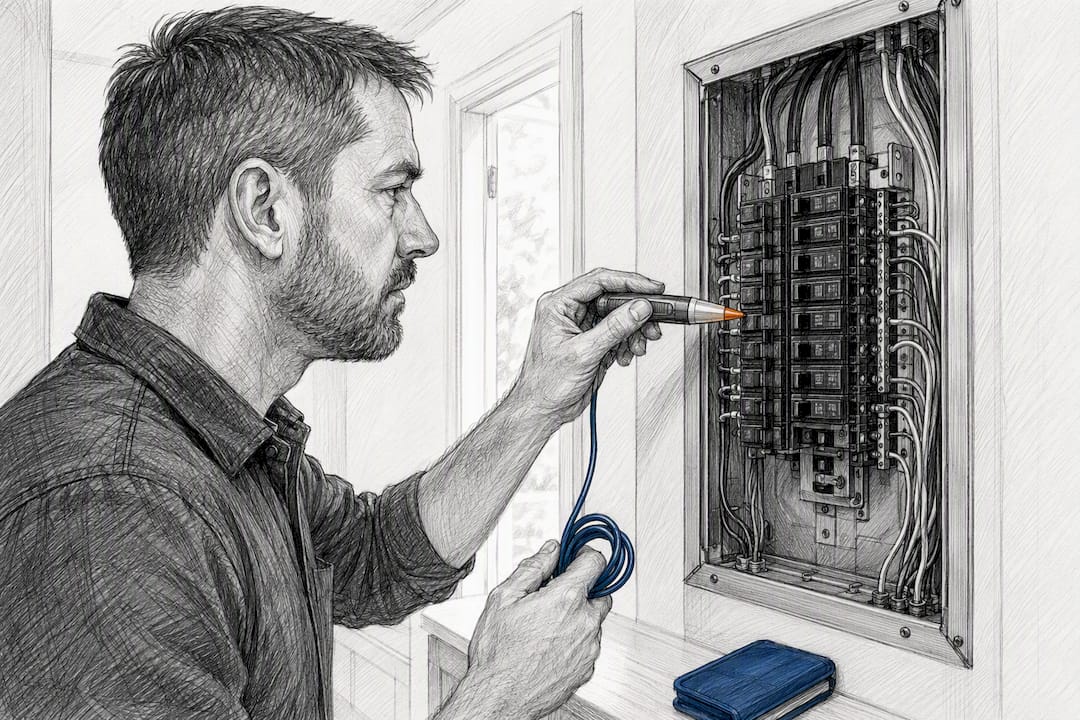
Make the property accessible. Turn on utilities if you can, unlock outbuildings, and clear debris that blocks key rooms or mechanical areas. If you've completed partial renovations, photograph the finished systems so the appraiser doesn't have to guess at electrical or plumbing condition.
Disclose known defects upfront. If you've had a structural, septic, or electrical inspection, hand over that report rather than letting the appraiser infer hidden issues from a walk-through, consistent with Fannie Mae's property condition standards. Most residential hard money appraisals take five to ten business days from order to report delivery. Missing documentation is the single biggest cause of delay.
When Lenders Accept AVMs, CMAs, or BPOs Instead
Automated valuation models (AVMs), comparative market analyses (CMAs), and broker price opinions (BPOs) each estimate value without a full appraisal. AVMs run comps through an algorithm. CMAs come from a real estate agent comparing recent sales. BPOs come from a licensed broker walking the property.
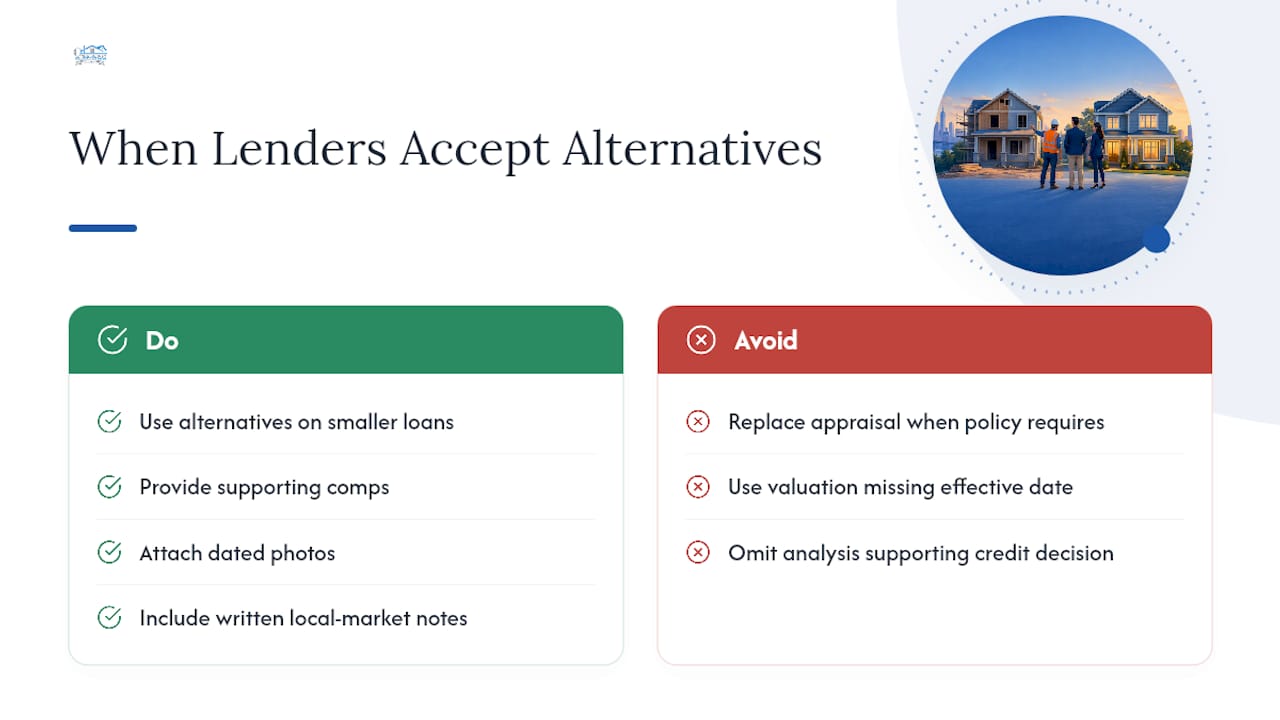
All three are faster and cheaper than a full appraisal. All three carry real limits. FDIC guidance is explicit that AVMs, BPOs, and CMAs cannot replace an appraisal when a regulated institution's own policy requires one, and any valuation used as an evaluation must state its effective date and include enough analysis to support the credit decision.
Private hard money lenders have more room to accept these alternatives, particularly on smaller loans, portfolio deals, or lower-LTV transactions where the lender already knows the market. If you want a lender to accept a BPO or CMA in place of a full appraisal, build the package with supporting comps, dated photos, and written notes on local market conditions. Our breakdown of appraisals versus broker price opinions covers exactly what separates an acceptable substitute from one your lender will reject outright.
NJREAG's Checklist for Getting ARV Assignments Right
We're state-certified, and every report we deliver follows USPAP standards, which means we confirm intended use, intended users, and scope of work before we ever step onto a property. That's not paperwork for its own sake. It's what keeps a report defensible if a lender or a judge later questions it.
The most avoidable problem we see: an unclear ARV assignment. Investors send us renovation photos with no permits, no contractor bids, and no written scope. We document ARV assignments with plans, permits, signed contractor estimates, and dated photos, separating finished work from proposed work every time.
Alek's Practical Rules of Thumb for Investors
Confirm the valuation type and get written instructions before anyone inspects the property. Verbal assumptions about as-is versus ARV cause more closing delays than any comp dispute I've seen discussed in lending circles.
Document ARV with permits and signed contractor bids, not a verbal quote from a buddy with a truck. Unsigned estimates rarely hold up when a lender's underwriter starts asking questions.
Let the lender order the appraisal unless you specifically need an independent third-party report for negotiation leverage. Ordering your own report when the lender didn't ask for it just adds cost without adding protection.
— Alek
Get a State-Certified Appraisal Built for Hard Money Underwriting
Newjerseyrealestateappraisal handles the exact assignment type most hard money deals need: as-is and after-repair value in one coordinated report, backed by 26+ years of combined experience across all 21 New Jersey counties.

A state-certified appraiser doesn't just estimate value. We document the assignment instructions, scope of work, and comparable sales analysis in a way that holds up when your lender's underwriter starts asking hard questions, or when you need to negotiate loan terms based on a defensible number instead of a rough guess. That defensibility is what separates a report that closes your loan smoothly from one that triggers a second review.
Our As-Is & After-Repair Value (ARV) Appraisals service covers exactly the documentation hard money lenders expect: renovation plans, contractor estimates, permits, and clear separation between completed and proposed work. Call us at (908) 517-3913 or request your ARV appraisal online to get a turnaround timeline before you're stuck waiting on your lender's clock.
Where This Guidance Comes From
This article draws on USPAP standards from The Appraisal Foundation, interagency appraisal and evaluation guidelines from federal banking regulators, and documented appraisal process standards covering ARV assignment requirements.
Sources
- Interagency Appraisal and Evaluation Guidelines
- Appraisal process and USPAP resources — Lincoln Institute
FAQ
Does a Hard Money Loan Need an Appraisal?
Most hard money lenders require a professional valuation, though the exact form depends on loan size and risk. Larger or more complex deals typically need a full appraisal, while smaller, lower-risk loans may qualify for an evaluation, CMA, or BPO instead.
What Shouldn't You Tell an Appraiser?
Don't volunteer your target value or hint at what number you need to make the deal work. Appraisers work independently under USPAP, and steering their opinion, even unintentionally, undermines the report's credibility with your lender.
What Is the 70% Rule for Hard Money Loans?
The 70% rule is a common investor guideline suggesting a maximum offer price as a percentage of ARV minus renovation costs. It's a quick screening tool, not a lending standard. Lenders set their own actual loan-to-ARV caps, which can run higher or lower depending on the deal and the lender's risk appetite.
What Documentation Do I Need for an ARV Appraisal?
You'll typically need renovation plans, itemized contractor estimates, permits or permit applications, and clear photos of the property's current condition. Providing signed contractor bids rather than verbal quotes speeds up the review process significantly.
Can Newjerseyrealestateappraisal Handle Both As-Is and ARV Reports?
Yes. Our As-Is & After-Repair Value (ARV) Appraisals service is built specifically for investors who need both values documented in one USPAP-compliant report for hard money underwriting.